
Yes, certain toothpastes can help remineralize tooth enamel, but they cannot grow back enamel that has already been physically lost. Remineralization is the natural process of restoring minerals to enamel after early mineral loss. Toothpaste can support this process by delivering active ingredients such as fluoride or hydroxyapatite to the tooth surface, while saliva supplies calcium and phosphate that help maintain the enamel.
The key is understanding the difference between early mineral loss and permanent enamel damage. If enamel has simply lost some minerals, remineralization may strengthen and repair the surface before more serious damage develops. But if enamel has been worn away, chipped, or destroyed by a cavity, toothpaste cannot rebuild the missing structure. So, does toothpaste really remineralize enamel? Yes, when the enamel is still present and the damage is primarily mineral loss, the right toothpaste can support remineralization, but it cannot regenerate lost enamel.
What Is Enamel Remineralization?
To understand whether toothpaste can remineralize enamel, it helps to first understand what happens when enamel loses minerals. Enamel remineralization is the process of restoring minerals to the tooth surface after they have been removed by acids. It is a natural process that happens every day as your teeth move between periods of mineral loss and mineral recovery.
What Causes Enamel to Lose Minerals?
Tooth enamel is constantly exposed to acids in the mouth. When these acids lower the pH around your teeth, they can dissolve minerals such as calcium and phosphate from the enamel. This process is called demineralization.
Common causes include:
- Bacterial acids: Oral bacteria use sugars from food and produce acids that can attack enamel.
- Sugary foods and drinks: Frequent sugar intake gives bacteria more opportunities to produce enamel-damaging acids.
- Acidic foods and beverages: Soda, sports drinks, citrus fruits, and other acidic foods or drinks can directly lower the pH around your teeth.
- Frequent acid exposure: Repeatedly exposing your teeth to sugar or acidic foods throughout the day can give enamel less time to recover between acid attacks.
Demineralization does not automatically mean that a cavity has formed. Early mineral loss can sometimes be reversed through remineralization before permanent structural damage develops.
How Does Enamel Remineralize?
Your mouth has its own natural defense system against mineral loss. Saliva plays a central role in remineralization by helping neutralize acids and supplying minerals such as calcium and phosphate to the tooth surface.
The process is influenced by several factors:
- Saliva: Helps buffer acids and provides minerals needed for enamel maintenance.
- Calcium and phosphate: These minerals can be incorporated back into areas of enamel that have lost minerals.
- Oral pH: A healthier, less acidic environment makes remineralization more favorable.
- Toothpaste ingredients: Certain active ingredients, including fluoride and hydroxyapatite, can support the remineralization process when used regularly.
In simple terms, enamel is continually undergoing mineral loss and mineral replacement. Toothpaste does not work alone; it can support the natural remineralization process by delivering active ingredients to the tooth surface.
Remineralization vs. Enamel Regeneration
These terms are often used interchangeably, but they mean very different things. Remineralization means restoring minerals to enamel that is still present but has experienced mineral loss. It can help strengthen weakened enamel and may reverse some early-stage mineral changes.
Enamel regeneration would mean creating new enamel to replace enamel that has been physically lost. Once mature tooth enamel is significantly worn away, chipped, or destroyed by decay, the body cannot naturally grow that missing enamel back. That distinction is important when talking about “enamel repair.” Toothpaste may support remineralization of existing enamel, but it cannot regenerate enamel that is no longer there.
Can Toothpaste Really Remineralize Enamel?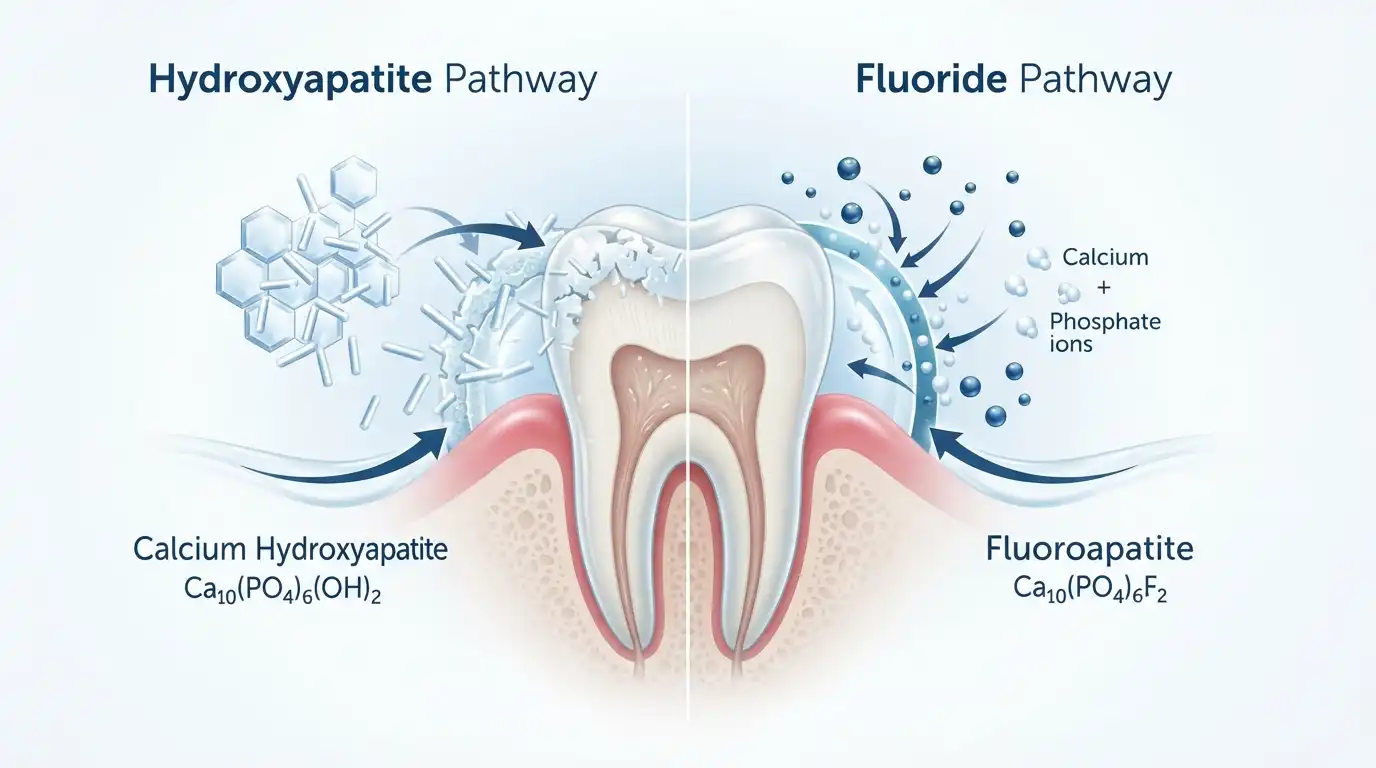
Yes, certain toothpastes can support the remineralization of enamel, especially when teeth have experienced early mineral loss but the enamel structure is still intact. During brushing, active ingredients such as fluoride or hydroxyapatite are deposited on the tooth surface, where they can support mineral recovery and strengthen existing enamel. However, toothpaste does not work alone. Saliva, oral pH, diet, brushing habits, and how often teeth are exposed to acids also affect the remineralization process.
The effectiveness of a toothpaste depends on which active ingredient it contains, its concentration, formulation, and how consistently it is used. Fluoride has extensive evidence supporting its role in enamel remineralization and cavity prevention, while hydroxyapatite is a calcium-phosphate mineral that has also been studied for its potential to support enamel remineralization. The important point is that simply choosing a toothpaste labeled “remineralizing” does not guarantee the same results from every formulation.
Toothpaste can help restore minerals to weakened enamel and support the strength of the enamel that remains, but it has clear limitations. It cannot regenerate enamel that has already been physically worn away, rebuild a chipped tooth, or fill an established cavity. In other words, toothpaste can support the body’s natural remineralization process when enamel is still present, but it cannot replace tooth structure that has been permanently lost.
Which Toothpaste Ingredients Help Remineralize Enamel?
Not every toothpaste has the same effect on enamel. Remineralization depends largely on the active ingredients in the formulation and how they interact with the tooth surface. Fluoride and hydroxyapatite are two of the most relevant ingredients when discussing enamel remineralization, while saliva provides the natural mineral-rich environment that supports the process.
Fluoride
Fluoride is one of the most extensively studied ingredients in preventive oral care. It can help promote remineralization of early enamel lesions and make enamel more resistant to acid attacks. Fluoride can interact with calcium and phosphate in the mouth to support the formation of a more acid-resistant mineral at the tooth surface. Its long-established evidence base also supports its role in reducing the risk of dental caries when used as part of regular oral hygiene.
Hydroxyapatite
Hydroxyapatite is a calcium-phosphate mineral that closely resembles the main mineral component of natural tooth enamel. When included in toothpaste, hydroxyapatite can interact with the enamel surface and provide mineral components that may support remineralization. Research on hydroxyapatite-containing toothpaste has shown promising results for enamel remineralization and caries prevention, although its clinical evidence base is not as extensive as that of fluoride. Results can also vary depending on the formulation, concentration, particle size, and study design, so claims that hydroxyapatite is universally superior to fluoride are not supported by the evidence.
The Role of Saliva
Toothpaste is only one part of the remineralization process. Saliva naturally supplies calcium and phosphate, helps neutralize acids, and continuously bathes the teeth, creating conditions that can support mineral recovery. This means a remineralizing toothpaste works alongside your mouth’s natural defenses rather than replacing them. Regular brushing, limiting frequent sugar and acid exposure, and maintaining healthy saliva flow all contribute to keeping the balance between demineralization and remineralization in favor of stronger enamel.
Hydroxyapatite vs. Fluoride: Which Is Better for Enamel?
Both hydroxyapatite and fluoride can support enamel health, but they do so in different ways and have different levels of clinical evidence behind them. Fluoride has been studied for decades and remains one of the most established ingredients for preventing dental caries, while hydroxyapatite has gained increasing attention as a fluoride-free approach to remineralization.
How Fluoride and Hydroxyapatite Work Differently
Fluoride helps remineralize early enamel lesions and increases the enamel’s resistance to acid. When fluoride is present during an acid attack, it can promote the formation of a more acid-resistant mineral at the tooth surface, helping reduce further mineral loss.
Hydroxyapatite is a calcium-phosphate mineral similar to the mineral naturally found in teeth. Hydroxyapatite particles can deposit on the tooth surface and provide mineral components that may support the repair of early mineral loss. Some formulations, particularly nano-hydroxyapatite, are designed to interact closely with the enamel surface.
What Does the Research Show?
Research supports the remineralization potential of both ingredients, but the amount and maturity of evidence are different. Fluoride has a much larger body of clinical research supporting its effectiveness in preventing cavities and supporting remineralization. Studies of hydroxyapatite-containing toothpastes have also reported promising results, including improvements in enamel remineralization and caries prevention, but researchers continue to evaluate how different formulations and concentrations compare with fluoride.
Can Hydroxyapatite Replace Fluoride?
For some people, hydroxyapatite can be a fluoride-free alternative for daily oral care, but it is not accurate to say that it universally replaces or outperforms fluoride. The appropriate choice depends on factors such as individual cavity risk, oral-health needs, and personal preference. People at higher risk of dental caries should discuss their toothpaste choice with a dental professional rather than assuming that a fluoride-free option provides identical protection in every situation.
Can Remineralization Reverse Early Enamel Damage?
Yes, remineralization can help reverse some early enamel damage when the enamel structure is still intact. Early demineralization occurs when acids remove minerals such as calcium and phosphate from enamel without creating a physical cavity. At this stage, saliva, good oral hygiene, appropriate toothpaste, and reducing frequent exposure to sugars and acids can help shift the balance back toward mineral recovery. Early white-spot lesions are one example where remineralization may improve the mineral content and appearance of enamel.
However, remineralization has limits. It cannot rebuild enamel that has already been physically lost or repair an established cavity. Once mineral loss progresses into a hole, significant erosion, or other structural damage, professional dental treatment may be needed. The earlier mineral loss is addressed, the greater the opportunity to support the enamel that remains.
Can Toothpaste Repair Lost or Eroded Enamel?
Toothpaste can help support and protect enamel when the damage involves mineral loss rather than a complete loss of tooth structure. Remineralizing ingredients such as fluoride and hydroxyapatite can help restore minerals to existing enamel and make the surface more resistant to further acid-related damage. This makes toothpaste most useful in the early stages of enamel weakening, before permanent structural damage develops.
What Toothpaste May Help With
A remineralizing toothpaste may help with:
- Early mineral loss: Replenishing some minerals lost from the enamel surface.
- Weakened enamel: Supporting the strength of enamel that is still present.
- Mineral recovery: Providing active ingredients that support the natural remineralization process.
- Further mineral loss: Helping protect enamel against future acid attacks when combined with good oral hygiene and reduced sugar and acid exposure.
What Toothpaste Cannot Repair
Toothpaste cannot rebuild tooth structure that has already been physically lost. It cannot repair chipped or broken teeth, fill an established cavity, replace enamel lost through significant erosion, or restore other structural damage. In these situations, remineralizing toothpaste may help protect the remaining tooth surface, but professional dental treatment is needed to address the lost structure itself.
How Long Does Enamel Remineralization Take?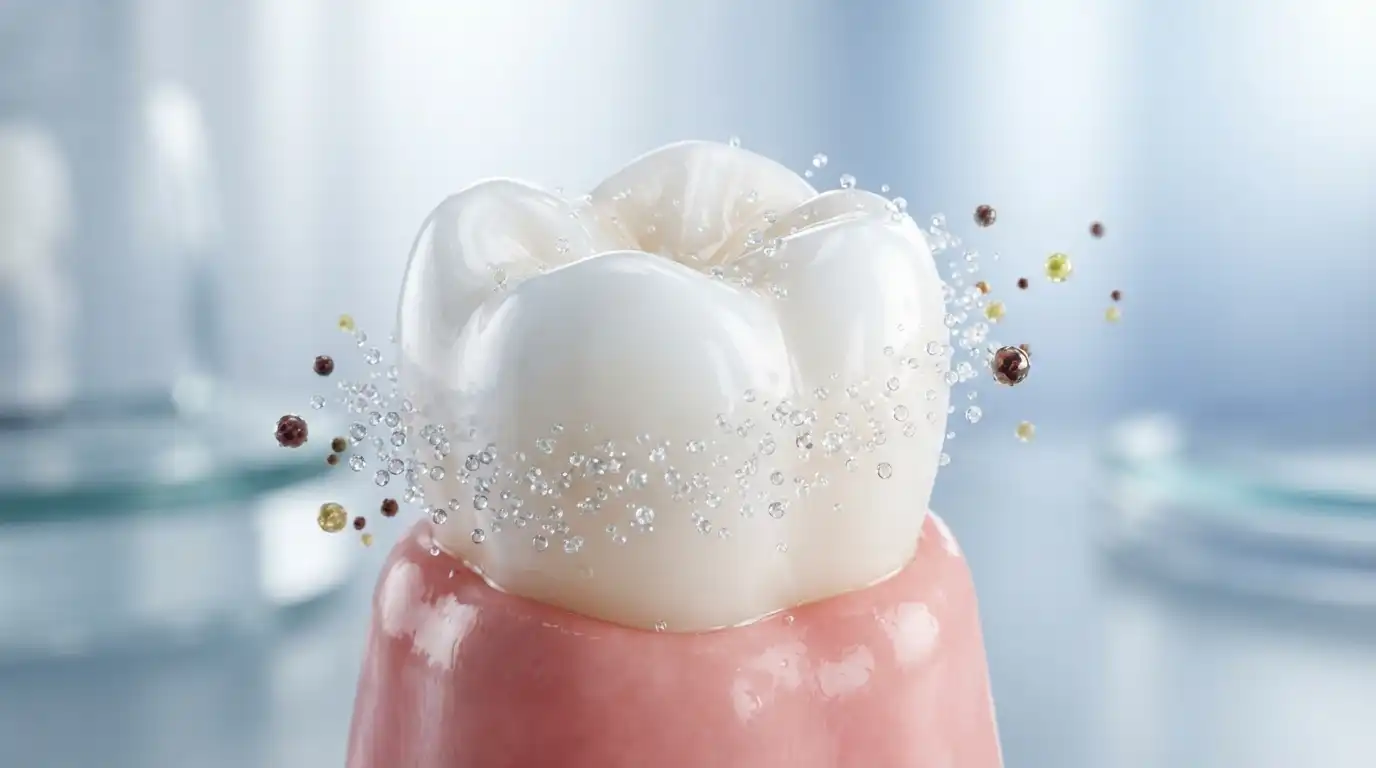
There is no single timeline for enamel remineralization because the process depends on how much mineral has been lost and the conditions in your mouth. Early mineral changes may begin to improve with consistent exposure to saliva and remineralizing ingredients, but noticeable changes can take longer and vary from person to person. The severity of demineralization, saliva flow, diet, oral hygiene, acid exposure, and the active ingredient in your toothpaste can all influence the process.
Consistency matters more than looking for a quick result. Brushing regularly with an appropriate toothpaste, limiting frequent exposure to sugary or acidic foods and drinks, and maintaining good oral hygiene can create better conditions for remineralization. There is no reliable “7-day” or “30-day” promise for rebuilding enamel, and toothpaste cannot reverse enamel that has already been physically lost. If enamel damage is significant or continues despite good oral care, a dentist can determine the cause and recommend appropriate treatment.
How to Support Enamel Remineralization Every Day
Enamel remineralization is influenced by your daily oral-care habits. While no routine can regrow enamel that has already been lost, consistent care can help protect existing enamel and create conditions that support natural mineral recovery.
Brush Twice Daily With an Evidence-Based Toothpaste
Brush your teeth twice a day with a toothpaste containing an evidence-supported active ingredient, such as fluoride or hydroxyapatite. Use a soft-bristled toothbrush and brush gently for about two minutes to clean the tooth surfaces without unnecessary abrasion.
Limit Frequent Sugar and Acid Exposure
Frequent exposure to sugar and acids can repeatedly lower the pH around your teeth and increase mineral loss. Limit sugary and acidic foods and drinks, especially between meals, and avoid slowly sipping acidic beverages over long periods.
Protect Your Saliva’s Natural Remineralizing Role
Saliva is an important part of your mouth’s natural defense system. It helps neutralize acids and supplies minerals such as calcium and phosphate. Staying hydrated and addressing persistent dry mouth can help support normal saliva function.
Avoid Aggressive Brushing
Brushing harder does not clean teeth better and may contribute to mechanical wear, particularly when enamel has already been weakened. Use gentle pressure with a soft-bristled toothbrush and allow the toothpaste to do the cleaning.
Keep Up With Professional Dental Care
Regular dental checkups can help identify early enamel changes, cavities, erosion, or other problems before they become more serious. A dentist can also assess your individual cavity risk and recommend the most appropriate toothpaste and preventive care for your needs.
How to Choose a Toothpaste for Enamel Remineralization
Look for a toothpaste with an evidence-backed active ingredient, such as fluoride or hydroxyapatite. Consider the ingredient’s evidence, concentration when disclosed, overall formulation, abrasivity, and your individual cavity and enamel-health needs. A “remineralizing” label alone does not guarantee effectiveness.
What Is Nano-Hydroxyapatite?
Nano-hydroxyapatite is hydroxyapatite made with very small particles designed to interact closely with the tooth surface. Research suggests it may support enamel remineralization and caries prevention, but the word “nano” alone does not guarantee better results. The formulation, concentration, and quality of evidence also matter.
Where Enamel & Co. Fits
Enamel & Co. takes a fluoride-free approach to daily oral care, using nano-hydroxyapatite as an active ingredient in its toothpaste. Hydroxyapatite is a calcium-phosphate mineral similar to the mineral naturally found in tooth enamel, making it relevant to the remineralization process discussed throughout this guide.
For those looking for a fluoride-free toothpaste designed to support enamel remineralization, Enamel & Co. combines nano-hydroxyapatite with a daily-use formulation. Explore the product page to learn more about its ingredients, formulation, and intended use.
When Should You See a Dentist?
Remineralizing toothpaste can support daily enamel care, but it cannot diagnose or treat significant tooth damage. See a dentist if you experience persistent or worsening sensitivity, severe pain, visible holes or cavities, chipped teeth, or signs of significant enamel loss or erosion.
You should also have persistent white, brown, or dark spots checked, especially if they change or become painful. A dentist can determine whether the issue is early mineral loss, tooth decay, erosion, or another condition and recommend the appropriate treatment.
Give Your Enamel the Daily Care It Deserves
If you’re looking for a fluoride-free toothpaste designed to support enamel care, Enamel & Co. uses nano-hydroxyapatite to support the remineralization of existing enamel as part of your daily oral-care routine. Its formula is designed for everyday brushing while focusing on the health and strength of the enamel you still have. Choosing a toothpaste with a well-researched active ingredient, combined with consistent brushing and good oral-care habits, can help you take a proactive approach to protecting your teeth. Explore Enamel & Co. toothpaste to discover its ingredients, formulation, and approach to daily enamel care.
Conclusion
The right toothpaste can support enamel remineralization when minerals have been lost but the enamel structure is still intact. Ingredients such as fluoride and hydroxyapatite can support the natural remineralization process, while saliva, good oral hygiene, and limiting frequent sugar and acid exposure help create a healthier environment for your teeth.
However, remineralization has clear limits. Toothpaste cannot regrow enamel that has already been physically lost, repair a cavity, or restore significant erosion or structural damage. The best approach is to protect the enamel you still have, address mineral loss early, and choose an evidence-based toothpaste that fits your oral-health needs.
Frequently Asked Questions
Can Toothpaste Actually Rebuild Tooth Enamel?
Toothpaste can support the remineralization of existing enamel that has lost minerals, but it cannot regrow enamel that has already been physically lost. Early mineral loss may be improved with appropriate oral care, while significant enamel loss requires professional evaluation.
What Toothpaste Is Best for Remineralizing Enamel?
Look for toothpaste containing an evidence-backed active ingredient, such as fluoride or hydroxyapatite. The best choice depends on your cavity risk, oral-health needs, and personal preferences. A dentist can help you choose if you have specific concerns.
Does Hydroxyapatite Toothpaste Remineralize Teeth?
Yes, research suggests that hydroxyapatite-containing toothpaste can support enamel remineralization. It provides a calcium-phosphate mineral similar to the mineral naturally found in teeth, although the strength of evidence varies by formulation and study.
Is Hydroxyapatite as Effective as Fluoride?
Hydroxyapatite shows promising evidence for remineralization and caries prevention, but fluoride has a larger and more established clinical evidence base. Current research does not support saying that hydroxyapatite is universally better than fluoride.
Can Toothpaste Reverse Enamel Erosion?
Toothpaste may help protect remaining enamel and support remineralization of early mineral loss, but it cannot replace enamel that has already been worn away by significant erosion. Preventing further acid exposure and getting professional dental advice are important when erosion is advanced.