
Enamel is the hard outer layer that protects your teeth. When that layer becomes thin or wears away, the softer layer underneath, called dentin, becomes less protected. This can make your teeth hurt when you eat or drink something cold, hot, sweet, or acidic.
Enamel & Co. offers enamel-focused toothpaste designed to support remineralization and everyday care for teeth that may be sensitive or showing signs of enamel wear. If you are looking for an oral care product made with enamel support in mind, you can explore Enamel & Co. Toothpaste as part of your daily brushing routine.
The pain from sensitive teeth is often quick and sharp. It may disappear when the food or drink is gone. However, sensitivity that keeps returning can mean the tooth has lost some of its natural protection or that another dental problem needs attention.
How Enamel Erosion Causes Tooth Sensitivity
Tooth enamel is the hard outer layer covering the visible part of each tooth. It shields the softer layers inside from pressure, temperature changes, acids, and daily wear. Underneath the enamel sits a layer called dentin, and dentin is full of tiny channels called tubules that connect to the nerve-rich inner part of the tooth.
When enamel thins, more of that dentin becomes exposed. Hot coffee, ice water, sweets, acidic foods, and even cold air can then reach the tubules and set off a short, sharp sting.
Sensitivity tends to get more noticeable as erosion progresses, simply because there is less enamel standing between the trigger and the nerve. Advanced erosion can also change the shape and strength of the tooth itself, which is when professional treatment becomes more urgent than just managing discomfort.
Signs of Enamel Erosion and Tooth Sensitivity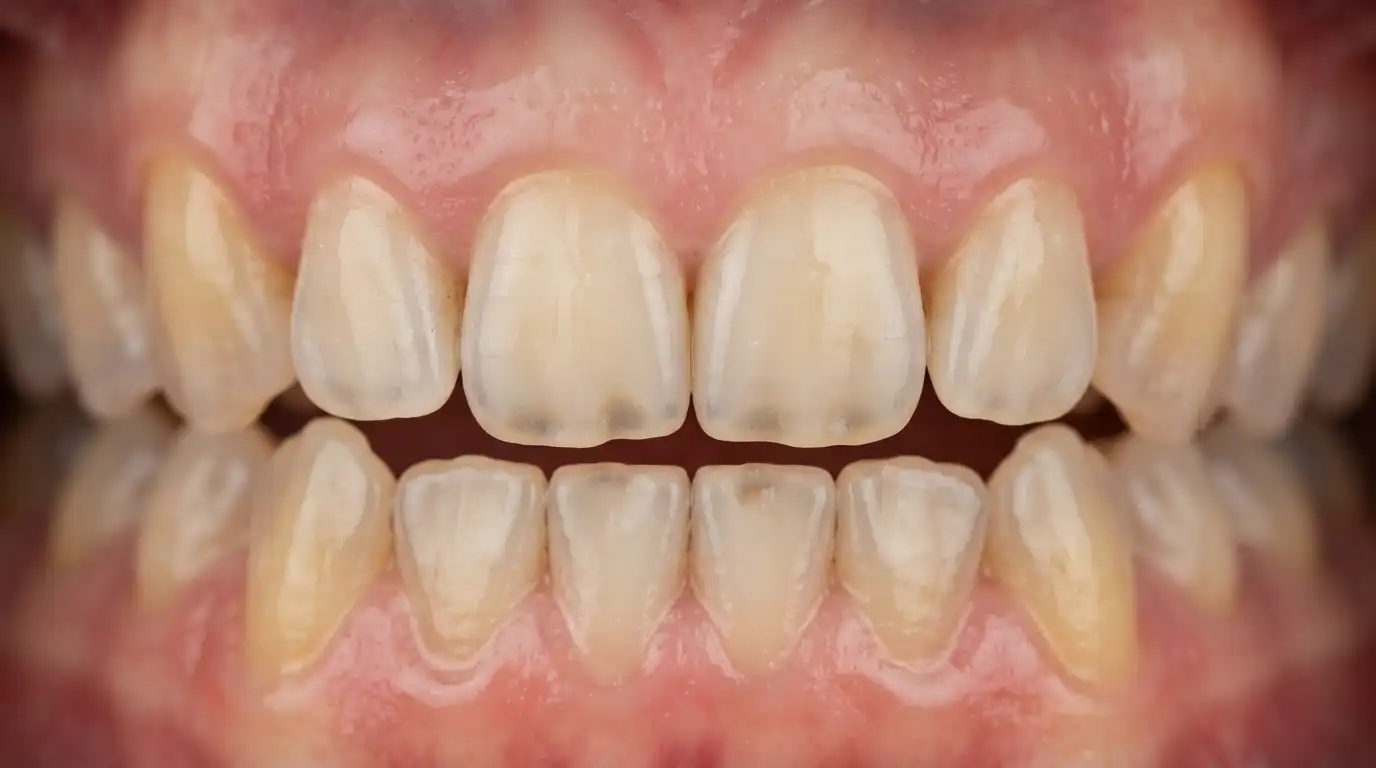
Sensitivity is one of the most common signs of enamel erosion, but it is not the only one. Enamel loss can also change the color, shape, and surface of your teeth.
Increased Sensitivity to Hot and Cold
A sudden sharp feeling when drinking cold water, eating ice cream, or sipping a hot drink is one of the earliest signs. The discomfort usually fades once the trigger is gone, but if it keeps coming back, dentin is likely becoming exposed.
Pain From Sweet or Acidic Foods
Citrus fruits, soda, sports drinks, sour candy, and other acidic foods can sting when enamel has worn thin. These same foods also add to acid exposure, which can speed up further erosion.
Yellowing or Darker-Looking Teeth
Healthy enamel is light and slightly translucent. The dentin underneath is naturally more yellow, so as enamel thins, more of that yellow tone shows through, even on teeth that are otherwise clean.
Rounded or Worn Tooth Edges
Erosion gradually changes the natural shape of teeth. Edges can become smoother, thinner, or more rounded, and chewing surfaces may start to look flatter than before.
Small Cracks, Cupping, or Surface Changes
Some people develop small dips or hollow areas on their chewing surfaces, which dentists call cupping. The tooth surface may also look unusually smooth, shiny, or worn, and small chips or rough edges can appear as the remaining structure weakens.
What Causes Enamel Erosion?
Acid is the main cause of dental erosion. The acid may come from foods and drinks or from inside the body. Other habits, such as brushing too hard or grinding your teeth, can add more wear to teeth that are already weakened.
Acidic Foods and Drinks
Frequent exposure to acidic foods and drinks is a major cause of enamel erosion. Common examples include soda, energy drinks, sports drinks, fruit juices, citrus fruits, sour candy, and other acidic foods.
How often you consume them matters too. Sipping an acidic drink for several hours keeps exposing your teeth to acid. Try to have acidic foods or drinks with a meal rather than throughout the day. Drinking plain water afterward can also help clear acid from your mouth.
Acid Reflux and Frequent Vomiting
Enamel erosion can also be caused by stomach acid. People with frequent acid reflux may have small amounts of stomach acid travel into the mouth. Repeated vomiting can expose the teeth to stomach acid as well.
This type of acid exposure can slowly wear down enamel. If reflux or vomiting happens often, speak with both your dentist and healthcare provider. Treating the cause can help protect your teeth from continued exposure.
Aggressive Brushing
Brushing is important, but brushing too hard can wear the tooth surface and irritate your gums. The risk can be greater after acidic foods or drinks because the tooth surface may temporarily be softer.
Use a soft-bristled toothbrush and gentle pressure. You do not need to scrub hard to clean your teeth well.
Teeth Grinding and Clenching
Grinding and clenching do not cause acid erosion, but they can cause another type of enamel wear. Grinding places heavy pressure on the teeth. Over time, teeth may become flatter, chipped, cracked, or shorter.
If enamel erosion and grinding happen together, tooth wear can become more noticeable. A dentist can check for signs of grinding and may recommend a mouthguard when needed.
How to Tell Enamel Erosion From Other Causes of Sensitivity
Sensitive teeth can have many causes. Enamel erosion is only one of them. This simple comparison can help explain the differences.
| Problem | What You May Notice | Common Sensitivity |
| Enamel erosion | Yellowing, smooth areas, worn edges, cupping | Cold, hot, sweet, or acidic foods |
| Tooth decay | Dark spots, holes, or pain in one area | Sweets, cold, or ongoing pain |
| Gum recession | Teeth look longer or roots are visible | Cold, brushing, or touch |
| Cracked tooth | Pain in one tooth, especially when chewing | Biting, cold, or pressure |
Enamel Erosion vs. Tooth Decay
Enamel erosion and tooth decay both damage teeth, but they are not the same problem. Erosion happens when acids wear away the tooth surface. Tooth decay usually happens when bacteria in plaque use sugars from food and produce acids that damage the tooth. A cavity often affects one clear area. Enamel erosion may affect larger parts of several teeth and create smooth, rounded, or worn surfaces.
Enamel Erosion vs. Gum Recession
Gum recession happens when the gum tissue moves away from the tooth and exposes part of the root. Tooth roots do not have the same thick enamel covering as the top part of the tooth. This makes exposed roots more sensitive. If your teeth look longer than before or the sensitivity is close to the gumline, gum recession may be involved.
Enamel Erosion vs. Cracked or Damaged Teeth
A cracked tooth often causes pain in one specific area. You may notice pain when biting down, chewing, or releasing your bite. Cold temperatures may also trigger the tooth.
Enamel erosion often affects several teeth and is more likely to cause sensitivity from temperature, sweets, and acidic foods. Because the symptoms can overlap, a dental exam is the best way to tell the difference.
How Dentists Diagnose Enamel Erosion
A dentist typically starts with a visual exam, checking for changes in enamel thickness, shape, texture, and color, along with exposed dentin, smooth surfaces, rounded edges, and cupping. Plaque buildup along the gumline is checked too, since it can point to a separate but related issue.
Your dentist will likely ask about your diet, soda or sports drink habits, brushing routine, grinding, acid reflux, dry mouth, and current medications. This information helps them figure out whether your symptoms come from erosion, decay, gum recession, a crack, or a combination.
Can Enamel Erosion Be Reversed?
Enamel that has already been physically worn away does not grow back. This is why catching erosion early and stopping further damage matters so much.
Very early mineral loss is a different story. Before real tooth structure is lost, saliva and the right oral care products can support remineralization and help strengthen the surface that is still there. Once erosion has caused visible structural loss, treatment shifts to protecting what remains, easing sensitivity, and addressing whatever is causing the erosion in the first place.
Treatment Options for Enamel Erosion and Sensitive Teeth
There is no single treatment that works for every person with sensitive teeth. The right treatment depends on what is causing the sensitivity and how much tooth structure has been affected.
Fluoride Treatments
Fluoride can help strengthen weakened enamel and support remineralization. A dentist may recommend fluoride toothpaste, rinses, gels, or an in-office fluoride treatment depending on your needs. Fluoride treatment may also help reduce sensitivity in some people.
Desensitizing Toothpaste
Toothpaste made for sensitive teeth can help reduce the way exposed dentin reacts to common triggers. It usually needs to be used regularly. Sensitivity may not disappear after one or two brushings. If the pain continues even after using sensitivity toothpaste, see a dentist instead of trying different products for months without knowing the cause.
Dental Bonding for Damaged Areas
Dental bonding may be useful when dentin has become exposed. A dentist places tooth-colored material over the affected area. This creates a protective covering between the sensitive tooth and outside triggers. Bonding may also improve the appearance of teeth that have become worn or damaged.
Restorative Dental Treatments for Advanced Erosion
More serious erosion may require stronger dental treatment. Depending on the amount of damage, a dentist may recommend bonding, fillings, veneers, onlays, or crowns. These treatments help restore the shape of damaged teeth and protect the remaining tooth structure.
Treating the Underlying Cause
Managing the cause is one of the most important parts of treatment. If you continue exposing your teeth to the same problem, sensitivity may return or the erosion may get worse.
For example, someone who frequently drinks acidic beverages may need to change those habits. Someone with acid reflux may need medical care. A person who grinds their teeth may need treatment to reduce further wear.
How to Prevent Enamel Erosion and Tooth Sensitivity
You cannot regrow enamel once it is gone, but you can slow or stop further erosion.
Limit Acidic Foods and Drinks
Cut back on how often your teeth are exposed to soda, sports drinks, sour candy, and citrus drinks. Having acidic foods with meals instead of sipping them throughout the day, and rinsing with water afterward, both help protect enamel.
Use a Soft-Bristled Toothbrush
A soft brush and gentle pressure clean just as well as scrubbing hard, without the added wear. Hard brushing can irritate gums and contribute to physical tooth wear over time.
Wait Before Brushing After Acidic Foods
Acid temporarily softens the tooth surface, so brushing right away can do more harm than good. Rinse with water instead and wait about an hour, giving your saliva time to neutralize the acid first.
Choose Enamel-Friendly Oral Care Products
Not every toothpaste is built with erosion in mind. Enamel & Co. toothpaste uses nano-hydroxyapatite along with EnamelSync peptide technology to support both enamel remineralization and gum health, without fluoride, SLS, or parabens. If you have active erosion or significant sensitivity, ask your dentist which ingredients are the best fit for your teeth.
Manage Acid Reflux and Dry Mouth
Frequent reflux repeatedly exposes teeth to stomach acid, and chronic dry mouth removes one of your teeth’s natural defenses. If either is a regular issue, talk with your healthcare provider alongside your dentist. After vomiting, rinse with water rather than brushing right away.
Keep Up With Regular Dental Visits
Early erosion is hard to catch on your own. Regular checkups let your dentist compare changes over time, catch the cause early, and step in before wear becomes more serious..
When Should You See a Dentist for Tooth Sensitivity?
Not every quick twinge means you have a serious problem. However, tooth sensitivity deserves a dental exam when it keeps happening or begins to get worse.
See a dentist if you have:
- Sensitivity that does not improve
- Sensitivity that becomes more painful
- Pain in one specific tooth
- Pain that continues after the trigger is gone
- Pain when biting or chewing
- Visible chips, cracks, pits, or worn teeth
- Swelling around a tooth or gum
- A major change in tooth color
- Sensitivity that makes it difficult to eat, drink, brush, or floss
Severe or long-lasting pain can be caused by more than enamel erosion. Cavities, cracks, infections, and problems inside the tooth can also cause pain. Getting the tooth checked helps you avoid treating the wrong problem at home.
Support Your Enamel With Enamel & Co.
If you are looking for toothpaste designed to support enamel remineralization and everyday care for sensitive teeth, explore Enamel & Co. Toothpaste as part of your regular oral care routine.
Consistent brushing with an enamel-focused formula, along with reducing acid exposure and using gentle brushing habits, can help protect the enamel you still have. Interested in Enamel & Co. Toothpaste? Shop online today or contact Enamel & Co. if you would like help choosing or ordering the product.
Conclusion
Enamel erosion causes tooth sensitivity because worn enamel leaves the dentin underneath exposed, and that dentin reacts to cold, heat, sweets, and acid in ways healthy enamel would normally block. Enamel that has already eroded will not grow back, but further damage can often be slowed by limiting acid exposure, brushing gently, choosing the right oral care products, and staying on top of regular dental visits.
If sensitivity is persistent, worsening, or focused on one tooth, do not assume erosion is automatically the cause. A dental exam can pin down whether it is erosion, decay, gum recession, a crack, or something else that needs attention.
Frequently Asked Questions
Can enamel erosion make teeth sensitive?
Yes. When enamel becomes thin, the dentin underneath has less protection. Hot, cold, sweet, and acidic foods can then trigger the sensitive areas inside the tooth.
Can sensitive teeth be caused by enamel loss?
Yes. Enamel loss is a common reason teeth become sensitive. However, gum recession, cavities, cracked teeth, grinding, and other dental problems can cause similar symptoms.
Does tooth enamel grow back after erosion?
No. Tooth structure that has already been lost cannot naturally grow back. Early weakened enamel can sometimes be remineralized and strengthened before significant tooth structure is lost.
How can I stop sensitivity caused by enamel erosion?
Start by reducing acid exposure, using gentle brushing habits, and choosing suitable oral care products. Depending on the cause, a dentist may also recommend desensitizing treatment, fluoride, bonding, or restorative dental care.
Can enamel erosion lead to permanent tooth damage?
Yes. If erosion continues, teeth can become more sensitive, yellow, thin, chipped, cracked, or worn. Advanced erosion may require dental restoration to protect the remaining tooth.
Can a dentist repair eroded enamel?
A dentist cannot make missing natural enamel grow back, but damaged teeth can be protected and restored. Bonding, fillings, veneers, onlays, or crowns may be used depending on the amount of damage.
How do I know if my sensitivity is from enamel erosion?
Look for sensitivity along with other changes such as yellowing, smooth areas, rounded edges, thin tooth edges, or small dents in the chewing surfaces. Because cavities, gum recession, and cracks can feel similar, a dentist should confirm the cause.