
The main ingredient to look for in toothpaste is fluoride, because it helps strengthen tooth enamel and prevent cavities. Other ingredients are designed for specific needs, such as potassium nitrate for sensitive teeth, mild abrasives for surface stains, or tartar-control ingredients for reducing buildup.
Toothpaste contains both active ingredients that support oral health and other ingredients that help clean, flavor, or give the formula its texture. Knowing what these ingredients do makes it easier to understand which toothpaste features matter for your teeth and which claims on the package are less important.
What Are the Most Important Ingredients in Toothpaste?
Not every toothpaste ingredient has the same purpose. Some active ingredients help prevent cavities, reduce sensitivity, or control tartar, while others mainly help clean the teeth or give the toothpaste its texture and flavor. The active ingredients are the most useful place to start when comparing toothpastes.
Fluoride
Fluoride is the main ingredient to look for in toothpaste if your goal is to prevent cavities. It helps make tooth enamel more resistant to acid attacks from plaque and supports remineralization when enamel starts to lose minerals. Common forms include sodium fluoride, stannous fluoride, and sodium monofluorophosphate. While these are different fluoride compounds, they are used in toothpaste to provide cavity protection.
Hydroxyapatite
Hydroxyapatite is a mineral similar to the main mineral found in tooth enamel and is used in some fluoride-free toothpaste formulas. Research suggests it may support enamel remineralization and help reduce tooth sensitivity. It works differently from fluoride by interacting with the mineral structure of the tooth surface. If you prefer a fluoride-free toothpaste, hydroxyapatite is an ingredient to look for, but it should not automatically be considered equivalent to fluoride for cavity prevention.
Potassium Nitrate
Potassium nitrate is commonly used in toothpaste for sensitive teeth. It can help reduce the discomfort caused by triggers such as cold drinks, hot foods, sweets, or brushing. If you often experience short, sharp pain from these triggers, potassium nitrate may be useful in your toothpaste. However, sensitivity can have causes such as tooth decay, cracks, enamel wear, or gum recession, so ongoing or severe sensitivity should be checked by a dental professional.
Stannous Fluoride
Stannous fluoride provides cavity protection while also offering benefits for other oral health concerns. Depending on the formula, it may help reduce tooth sensitivity, plaque, and gingivitis in addition to protecting against cavities. This makes stannous fluoride a useful option if you want one active ingredient that can address several common oral health needs.
Pyrophosphates and Zinc
Pyrophosphates, zinc citrate, and sodium hexametaphosphate are ingredients found in some tartar-control toothpastes. They can help reduce the buildup of tartar on teeth by interfering with the formation of mineral deposits from plaque. They do not remove tartar that has already hardened, which normally requires professional dental cleaning. If tartar buildup is a concern, these ingredients are worth looking for alongside the toothpaste’s other active ingredients.
Ingredients That Help Clean Your Teeth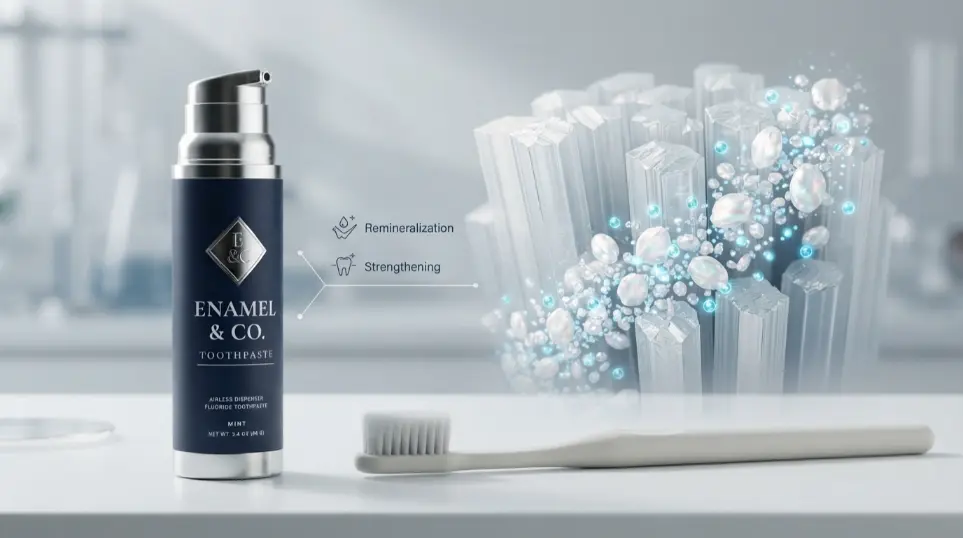
Not every toothpaste ingredient is there to protect against cavities or sensitivity. Some help remove plaque, food debris, and surface stains, while others help the toothpaste spread and foam during brushing. Two common groups are abrasives and surfactants.
Mild Abrasives
Mild abrasives help polish the teeth and remove surface stains, plaque, and food debris during brushing. Common examples include hydrated silica and calcium carbonate. These ingredients work with the toothbrush rather than replacing the need for brushing. The goal is to remove surface buildup without being unnecessarily harsh on the tooth surface, especially for people with sensitive teeth or worn enamel.
Surfactants
Surfactants help spread toothpaste across the teeth and gums and create the foam produced during brushing. Sodium lauryl sulfate (SLS) is one common example. Foam can help distribute the toothpaste throughout the mouth, but more foam does not mean better cleaning. The cleaning effect comes mainly from brushing and the toothpaste’s active ingredients, not from how much it foams.
Ingredients to Look for Based on Your Oral Health Needs
The right toothpaste depends on what you want it to help with. Instead of choosing a formula with the longest ingredient list, look for active ingredients that match your main oral health need.
| Oral health goal | Ingredients to look for |
| Cavity prevention | Fluoride |
| Sensitive teeth | Potassium nitrate, stannous fluoride |
| Surface stain removal | Mild abrasives such as hydrated silica |
| Tartar control | Pyrophosphates, zinc citrate, sodium hexametaphosphate |
| Gum care | Stannous fluoride and other formula-specific active ingredients |
| Fluoride-free option | Hydroxyapatite |
No single ingredient is best for every person. Use your main oral health concern as a starting point, then consider factors such as tooth sensitivity, enamel condition, and any advice from your dental professional.
Which Toothpaste Ingredients Should You Be Careful About?
You do not need to avoid every ingredient that sounds unfamiliar. Instead, pay attention to ingredients and formulas that may not suit your teeth or gums. The main concerns are excessive abrasivity, irritation from certain foaming or flavoring ingredients, and choosing a product based on marketing claims rather than its active ingredients.
Highly Abrasive Toothpaste
Abrasive ingredients help remove surface stains and buildup, but a toothpaste that is too abrasive may be a poor choice for people with sensitive teeth, enamel wear, or exposed tooth roots. More aggressive stain removal does not necessarily mean healthier or whiter teeth. If your teeth are sensitive or your enamel is worn, choose a toothpaste designed for your needs rather than focusing only on whitening power.
Sodium Lauryl Sulfate (SLS)
Sodium lauryl sulfate (SLS) is a foaming ingredient that helps spread toothpaste throughout the mouth. It is not needed for cavity protection, and some people may find SLS-containing toothpaste irritating. If you experience mouth irritation or discomfort when brushing, an SLS-free formula may be worth trying. However, SLS is not something everyone needs to avoid.
Strong Flavoring Ingredients
Flavoring ingredients such as mint and cinnamon give toothpaste its taste and fresh feeling, but they can cause irritation or discomfort in some people. If your mouth feels irritated or burns after brushing, a toothpaste with milder flavoring may be more comfortable. Flavoring ingredients are not harmful for everyone, so the main concern is how your mouth responds to the formula.
Unnecessary Additives
A longer ingredient list does not automatically make a toothpaste better. Start by checking the active ingredients and whether they match your oral health needs, then consider the supporting ingredients. Claims such as “natural,” “deep clean,” or “advanced whitening” should not be the main reason you choose a toothpaste when the ingredient list does not support the benefit you are looking for.
How to Read a Toothpaste Ingredient Label
Reading a toothpaste label is easier when you know what to check first. Start with the active ingredients and identify what the toothpaste is designed to help with. If cavity prevention is your main goal, look for a fluoride such as sodium fluoride, stannous fluoride, or sodium monofluorophosphate. For other concerns, check for active ingredients such as potassium nitrate for sensitivity or tartar-control ingredients such as pyrophosphates and zinc.
Next, look at the other ingredients, which may include abrasives, surfactants, flavoring agents, humectants, and thickeners. These ingredients affect how the toothpaste cleans and feels but are usually secondary to the active ingredients. Finally, compare the ingredient list with the claims on the package. A toothpaste labeled “whitening,” “natural,” or “fresh breath” can contain very different formulas, so checking the actual ingredients gives you a clearer idea of what the product is designed to do.
Does Natural Toothpaste Have Better Ingredients?
“Natural” toothpaste does not automatically have better or more effective ingredients. Some natural or fluoride-free formulas use active ingredients such as hydroxyapatite, while others may use different alternatives. What matters more is what the active ingredients are designed to do and whether there is good evidence supporting their use.
If you prefer a fluoride-free toothpaste, check the actual ingredient list instead of relying on the word “natural” on the package. Compare the active ingredients with your oral health needs and choose a formula based on what it is designed to help with, rather than the marketing label.
How Do You Choose the Right Toothpaste?
Choose toothpaste based on your main oral health goal, not on the number of ingredients or marketing claims on the package. For everyday cavity protection, look for fluoride. If you have sensitive teeth, consider a formula with potassium nitrate or stannous fluoride. For surface stains, look for a toothpaste with mild abrasives, while tartar concerns may call for ingredients such as pyrophosphates or zinc.
If you prefer fluoride-free toothpaste, hydroxyapatite is one option to consider. You should also think about factors such as enamel wear, mouth irritation, and any specific advice from your dental professional. The best toothpaste is the one with active ingredients that fit your needs and a formula you can comfortably use as part of your daily brushing routine.
Choose Toothpaste With Ingredients That Matter
If you are looking for a toothpaste that supports everyday enamel care and oral health, Enamel & Co. Toothpaste is designed to be part of your regular brushing routine. Its formula brings together ingredients selected to support clean, healthy-looking teeth while caring for your enamel.
Choosing the right toothpaste is one part of good daily oral care. Along with regular brushing and gentle brushing habits, using a formula that fits your oral health needs can help you care for your teeth every day. Interested in Enamel & Co. Toothpaste? Shop online today.
Conclusion
The best toothpaste is not necessarily the one with the longest ingredient list. For most people, fluoride is the main ingredient to look for because it helps protect enamel and prevent cavities. Other ingredients can be useful depending on your needs, such as potassium nitrate for sensitive teeth, mild abrasives for surface stains, or hydroxyapatite for those who prefer a fluoride-free option.
Before choosing a toothpaste, check the active ingredients and make sure they match your oral health goals. Don’t rely only on claims such as “natural,” “whitening,” or “deep cleaning.” Understanding what the ingredients actually do can help you choose a toothpaste that supports a healthier smile every day.
Frequently Asked Questions
What is the most important ingredient in toothpaste?
Fluoride is the main ingredient to look for in toothpaste for most people because it helps strengthen enamel and prevent cavities. Common forms include sodium fluoride, stannous fluoride, and sodium monofluorophosphate.
What ingredients should I avoid in toothpaste?
You do not need to avoid a specific ingredient unless it causes a problem for you. Highly abrasive formulas may be unsuitable for people with enamel wear or sensitive teeth, while SLS or certain flavoring ingredients can cause irritation in some people. If a toothpaste consistently causes discomfort, consider trying a different formula.
Is fluoride safe in toothpaste?
Yes. Fluoride toothpaste is considered safe and effective when used as directed and is widely used to prevent cavities. Use the recommended amount for your age, avoid swallowing toothpaste, and follow your dental professional’s advice if you have specific concerns.
Is hydroxyapatite better than fluoride?
Not necessarily. Hydroxyapatite and fluoride work differently, and fluoride has stronger established evidence for preventing cavities. Hydroxyapatite may be an option for people who prefer fluoride-free toothpaste, but it should not automatically be considered better than fluoride.
What ingredients are best for sensitive teeth?
Potassium nitrate and stannous fluoride are common ingredients in toothpaste for sensitive teeth. They can help reduce sensitivity from triggers such as cold, heat, or sweets. Persistent or severe sensitivity should be checked by a dental professional because toothpaste cannot treat every underlying cause.