
Whitening toothpaste does not automatically damage your teeth. Most whitening toothpastes remove surface stains rather than changing your natural tooth color. However, frequent use, aggressive brushing, or a formula that is too harsh for your teeth may increase sensitivity or surface wear.
Whitening toothpaste can be safe when used as directed. Enamel & Co. explains what to look for, how whitening toothpaste works, and when you may need to be more careful, especially if you already have sensitive teeth, worn enamel, or exposed tooth roots.
Does Whitening Toothpaste Damage Your Teeth?
Whitening toothpaste does not automatically damage your teeth. The main concern is how the toothpaste affects your teeth over time, especially when it is combined with hard brushing, frequent use, or existing enamel wear. Most whitening toothpastes remove surface stains, so the risk comes from how the product is used rather than from the word “whitening” itself.
Can Whitening Toothpaste Wear Down Enamel?
Whitening toothpaste can contribute to tooth surface wear when it is used too often, combined with hard brushing, or contains a formula that is too abrasive for your teeth. This does not mean that normal use of every whitening toothpaste will damage your enamel. How often you brush, how much pressure you use, and the type of toothpaste you choose all play a role.
If your enamel is already worn, you may need to be more careful. If a whitening toothpaste causes increased sensitivity or discomfort, consider switching to a gentler formula and using less pressure when brushing.
Can Whitening Toothpaste Expose More Yellow Dentin?
Excessive tooth surface wear can make teeth look more yellow over time. Enamel is naturally translucent, so the color of the dentin underneath can show through. Dentin is naturally more yellow than enamel.
If enamel becomes thinner, more of this underlying color may become visible. This can make teeth look yellower even when you are using a whitening toothpaste. That is why brushing harder or using a harsher whitening toothpaste is not a good way to get faster results.
How Does Whitening Toothpaste Actually Whiten Teeth?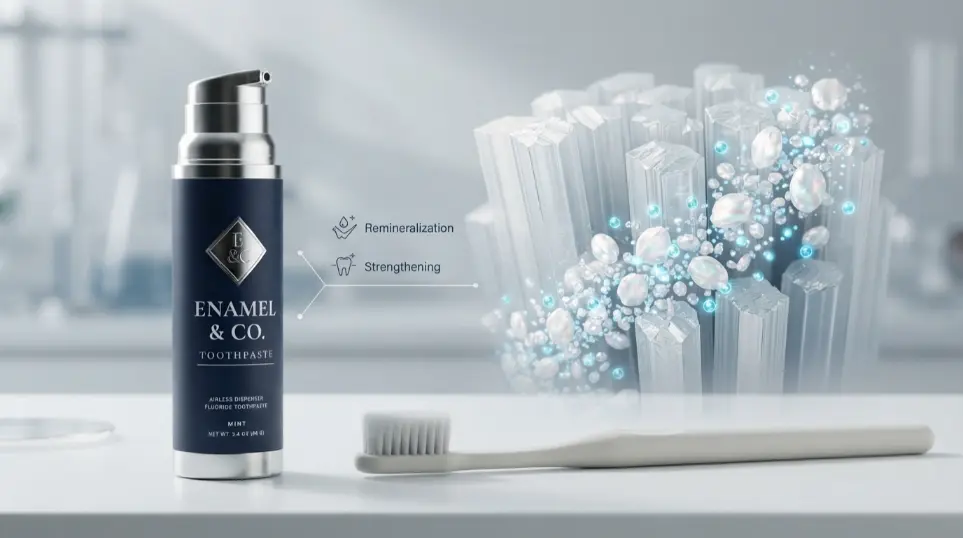
Whitening toothpaste mainly makes teeth look brighter by removing stains from the tooth surface. Some formulas also contain peroxide-based ingredients that can help break down certain stains. However, the effect is usually limited because whitening toothpaste is used for a short time during normal brushing.
Removing Surface Stains
Coffee, tea, tobacco, red wine, and some foods can leave stains on the outside of your teeth. Whitening toothpaste helps remove these stains during brushing, which can make your teeth look cleaner and brighter. However, it does not usually change the natural color of the tooth underneath the stain.
Chemical Whitening Ingredients
Some whitening toothpastes contain peroxide-based ingredients such as hydrogen peroxide. These ingredients can help break down certain stains and make them less noticeable. However, the whitening effect is usually more limited than professional whitening treatments, which are designed to produce a more noticeable change in tooth color.
Why Does Whitening Toothpaste Cause Sensitivity?
Whitening toothpaste can cause sensitivity in some people because of the ingredients used to remove or lighten stains. Peroxide-based ingredients may cause temporary sensitivity, while a formula that is too abrasive may increase discomfort when used repeatedly. You may notice a sharp reaction to cold, hot, or sweet foods and drinks, or while brushing.
Who Is Most Likely to Have Sensitivity?
People with existing tooth sensitivity, worn enamel, exposed tooth roots, or gum recession may be more likely to experience discomfort from whitening toothpaste. Brushing too hard or using whitening toothpaste more often than recommended can also make sensitivity worse. If your teeth become increasingly sensitive after using a whitening toothpaste, consider whether the product or your brushing routine is too harsh.
Is Whitening Toothpaste Safe to Use Every Day?
Whitening toothpaste can be safe for daily use when the formula is made for regular brushing and you follow the product directions. Using a whitening toothpaste does not mean you should brush harder, use more toothpaste, or brush more often. Use a soft-bristled toothbrush and gentle pressure. If you develop sensitivity or gum irritation, consider switching to a different formula rather than increasing how often you use it.
How Often Should You Use Whitening Toothpaste?
There is no single schedule for every whitening toothpaste. Follow the manufacturer’s directions for how often to use the product. If you have sensitive teeth, a gentler or sensitivity-focused formula may be more comfortable for regular use.
What Makes a Whitening Toothpaste More or Less Abrasive?
Whitening toothpastes use ingredients that help polish away surface stains from foods, drinks, and tobacco. A stronger formula does not automatically mean better whitening. Using a more abrasive toothpaste with too much pressure or too often can increase surface wear, especially if your teeth are already sensitive or worn.
Relative Dentin Abrasivity (RDA) is a measurement used to describe how abrasive a toothpaste is. A higher RDA generally means greater abrasive potential, but there is no single number that can be called universally “safe” or “unsafe.” Your brushing habits also matter. Brushing too hard or using an abrasive formula too often can increase wear, so both the toothpaste and how you use it should be considered.
How to Choose a Whitening Toothpaste Without Overdoing It
Choosing a whitening toothpaste is not just about finding the strongest whitening claim. Look for a formula that helps remove surface stains while also fitting your everyday oral care needs. Consider your sensitivity, the product’s directions, and whether it provides the basic protection your teeth need.
Look for Gentle Stain Removal
Choose a toothpaste that focuses on removing surface stains rather than simply promising “maximum whitening” or “deep whitening.” Stronger whitening claims do not necessarily mean better results, and harsh stain removal is not worth unnecessary sensitivity or surface wear.
Consider Fluoride Protection
Fluoride is important for everyday cavity protection, even when you want a toothpaste that helps whiten your teeth. Whitening should be only one part of your decision. Look for a toothpaste that also supports your basic oral health needs.
Consider Your Sensitivity
If your teeth are already sensitive, consider a formula designed to help with sensitivity rather than choosing the most aggressive whitening option. Whitening results are not worth ignoring ongoing discomfort. If a product consistently causes sensitivity, it may not be suitable for your teeth.
Check the Product’s Directions
Follow the recommended frequency and instructions on the toothpaste packaging. Using more toothpaste or brushing more often will not necessarily make whitening work faster. If results seem slow, give the product time rather than increasing its use beyond the recommended amount.
Whitening Toothpaste vs Teeth Whitening Treatments
Whitening toothpaste and professional whitening treatments work in different ways, so they should not be treated as equivalent. Whitening toothpaste is mainly useful for removing surface stains during regular brushing, while professional whitening can lighten the natural color of teeth and produce a more noticeable change.
| Whitening Toothpaste | Professional Whitening | |
| Main purpose | Remove surface stains | Lighten natural tooth color |
| Whitening effect | Usually more limited | Usually stronger |
| How it is used | During regular brushing | Dental treatment or supervised whitening |
| Results | Gradual | Generally faster and more noticeable |
| Best suited for | Everyday stain management | People seeking a larger color change |
If your main goal is to manage stains from coffee, tea, tobacco, or food, whitening toothpaste may be enough to make your teeth look cleaner and brighter. If you want a larger change in your natural tooth color, a professional whitening treatment is more likely to provide the result you are looking for.
When Should You Stop Using Whitening Toothpaste?
Stop using a whitening toothpaste if it causes persistent or increasing sensitivity, pain when eating or drinking, gum irritation, pain while brushing, or other noticeable discomfort. Mild sensitivity may improve after you stop using the product, but ongoing discomfort should not be ignored.
Persistent tooth pain may have an underlying cause that whitening toothpaste cannot address. If the pain continues after you stop using the product, or you notice changes in your teeth or gums, see a dentist for an evaluation.
Who Should Avoid or Be Cautious With Whitening Toothpaste?
People with significant tooth sensitivity, worn enamel, exposed tooth roots, or existing dental pain may need to be more careful with whitening toothpaste. People who brush too hard or have untreated dental problems may also experience more discomfort or irritation. If your teeth are already causing discomfort, a whitening toothpaste may not be the right choice for you.
Being in one of these groups does not automatically mean you must avoid all whitening toothpaste. Choose a formula that fits your oral health needs and use gentle brushing pressure. If you have ongoing pain, exposed tooth roots, or another dental concern, consider seeing a dentist before using whitening products.
Choose the Right Toothpaste for Your Smile
Whitening toothpaste can help remove surface stains, but choosing the right toothpaste is about more than getting a brighter smile. Your daily toothpaste should also support the basic needs of your teeth and fit your sensitivity level and brushing routine.
If supporting your enamel is a priority, you can shop Enamel & Co. Toothpaste online and make it part of your everyday brushing routine. If you are not sure which option is right for you, contact Enamel & Co. for help choosing or ordering your toothpaste.
Conclusion
Whitening toothpaste does not automatically damage your teeth, but how you use it matters. Most whitening toothpastes mainly remove surface stains, while highly abrasive formulas, aggressive brushing, or frequent use may increase sensitivity and surface wear.
For everyday use, choose a toothpaste that fits your oral health needs, follow the product directions, and brush gently. If you already have sensitive teeth, worn enamel, exposed roots, or ongoing dental pain, consider a gentler option and speak with a dentist if the discomfort continues. Most importantly, keep your expectations realistic: whitening toothpaste can help remove stains, but it is not the same as professional teeth whitening.
Frequently Asked Questions
Does whitening toothpaste damage enamel?
Whitening toothpaste does not automatically damage enamel. Most formulas use mild abrasives to remove surface stains, but highly abrasive toothpaste, aggressive brushing, or frequent use may increase surface wear. People with already worn enamel should be more cautious.
Is whitening toothpaste safe for everyday use?
Many whitening toothpastes can be used every day when the product is designed for regular use and you follow its directions. Use a soft-bristled toothbrush and gentle pressure rather than brushing harder to get faster results.
Can whitening toothpaste make teeth more sensitive?
Yes, whitening toothpaste can make some teeth more sensitive. Abrasive formulas may contribute to sensitivity, while peroxide-based ingredients can also cause temporary sensitivity. People who already have sensitive teeth may notice this more easily.
Does whitening toothpaste actually whiten teeth?
Whitening toothpaste can make teeth look brighter by removing surface stains from foods, drinks, tobacco, and other sources. However, it usually has a limited effect on the natural color of your teeth and is not equivalent to professional whitening.
Can whitening toothpaste make yellow teeth white?
Whitening toothpaste can reduce external stains that make teeth look yellow, but it usually cannot change the natural yellowish color of dentin. If your teeth are naturally yellow rather than mainly stained on the surface, a professional whitening treatment may provide a more noticeable color change.