
There is no single rule that says you must brush your teeth before or after breakfast. Brushing before breakfast removes plaque that builds up overnight and gets your morning brushing done before you eat or drink. If you prefer to brush after breakfast, that can also be part of a good oral care routine, but the timing matters when your breakfast includes acidic foods or drinks.
At Enamel Co, we believe a good morning routine starts with consistent, thoughtful oral care. In this guide, we’ll explain the differences between brushing before and after breakfast, when you should wait before brushing after a meal, and how to build a simple routine that supports healthy teeth and enamel.
Why Is Brushing Before Breakfast a Good Choice?
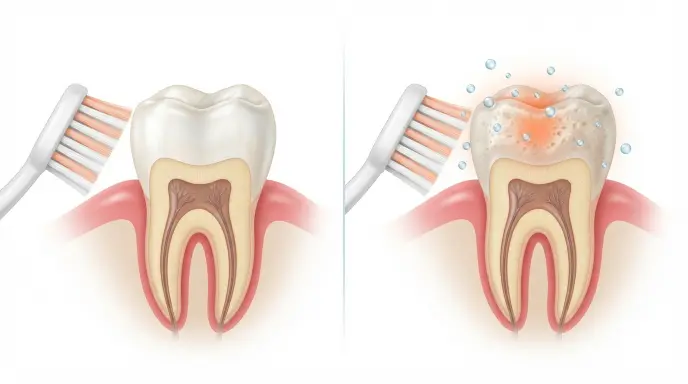
Brushing before breakfast can make your morning oral care routine simple and consistent. While you sleep, saliva flow decreases and plaque can build up on your teeth. Brushing when you wake up helps remove that buildup before you start your day.
Remove Plaque That Builds Up Overnight
While you sleep, bacteria in your mouth continue to interact with particles and proteins around your teeth. This contributes to plaque, a sticky film that can collect along your teeth and gumline. Brushing in the morning helps remove this buildup before you eat, giving you a clean start to the day.
Brush Before Your First Meal
Brushing before breakfast means you complete your morning brushing before exposing your teeth to food and drinks. If you use fluoride toothpaste, it also provides fluoride exposure as part of your regular oral care routine. For people who prefer fluoride-free toothpaste, consistent and thorough brushing remains an important part of daily oral care.
Start Breakfast With a Cleaner Mouth
Brushing before breakfast can leave your mouth feeling cleaner and fresher when you start your day. For many people, getting brushing done as soon as they wake up makes it easier to maintain a consistent morning routine. The key is to brush thoroughly twice a day, whether you choose to brush before or after breakfast.
Why Does Breakfast Timing Matter for Your Teeth?
Breakfast timing matters because some foods and drinks are acidic. Acid exposure can temporarily soften the tooth surface, which can make brushing immediately afterward less ideal. This is why your morning brushing routine may depend partly on what you eat and drink at breakfast.
How Acidic Breakfast Foods Affect Your Teeth
Some common breakfast choices contain acids that can affect your teeth. Citrus fruits, orange juice, fruit-based smoothies, and other acidic foods and drinks can expose your teeth to acid. This does not mean you need to avoid these foods and drinks. Instead, consider their acidity when deciding when to brush. After an acidic breakfast, giving your teeth some time before brushing can help reduce the risk of unnecessary wear.
Why Brushing Right After Acidic Foods Is Different
Brushing immediately after an acidic meal is different from brushing before breakfast because your teeth have just been exposed to acid. Acid can temporarily soften the tooth surface, and brushing right away may increase mechanical wear. If you choose to brush after breakfast, especially after acidic foods or drinks, wait before brushing rather than doing it immediately. Rinsing your mouth with water after eating can also help clear away food and acids while you wait.
What Does Research Say About When to Brush?
A review by Attin and Hornecker, published in Oral Health & Preventive Dentistry, found no clear evidence that brushing before or after meals is the single best time for everyone. The review supports regular tooth brushing for plaque control and notes that brushing twice a day is commonly recommended because many people do not remove enough plaque with less frequent brushing.
The researchers also pointed out that brushing can be a concern when teeth have been softened by erosion. This is especially relevant after acidic foods and drinks, such as orange juice, because brushing immediately afterward may increase wear on an already softened tooth surface. This supports the advice to consider what you have for breakfast when deciding when to brush.
How Long Should You Wait to Brush After Breakfast?
If you prefer to brush your teeth after breakfast, avoid brushing immediately after acidic foods or drinks. Acid exposure can temporarily soften the tooth surface, and brushing right away may increase mechanical wear. Giving your teeth some time after an acidic meal can help reduce this risk.
There is no single waiting time that applies to every breakfast. Around 30 minutes is often recommended, while longer waiting times may be advised after stronger or prolonged acid exposure. In the meantime, rinsing your mouth with water can help clear away food and acids. If you have enamel erosion, frequent tooth sensitivity, or other concerns about your teeth, ask your dentist about the best brushing routine for you.
Do You Need to Brush Again After Breakfast?
If you brush your teeth before breakfast, you generally do not need to brush again immediately after eating. What matters more is maintaining a consistent twice-daily brushing routine and cleaning your teeth thoroughly each time.
If You Brushed Before Breakfast
If you brushed thoroughly when you woke up, you have already completed your morning brushing. There is usually no need to add another brushing session just because you ate breakfast afterward. If you want to freshen your mouth after eating, rinsing with water can be a simple option. You can brush again at your usual nighttime routine.
If You Did Not Brush Before Breakfast
If you eat breakfast before brushing, you can still brush afterward. Choose an appropriate time based on what you had for breakfast, especially if your meal included acidic foods or drinks. You do not need to brush twice in the morning simply because you brushed after eating. Focus instead on brushing thoroughly twice a day as part of a consistent routine.
What Is a Good Morning Oral Care Routine?
A good morning oral care routine does not need to be complicated. The goal is to clean your teeth and gums thoroughly and build habits you can maintain every day.
Brush for Two Minutes
Brush your teeth for two minutes, making sure you clean all tooth surfaces rather than focusing only on the front teeth. Brush the outer, inner, and chewing surfaces of your teeth, and pay attention to areas where plaque can collect. A soft-bristled toothbrush can help clean your teeth without requiring hard or aggressive brushing.
Use Gentle Pressure
More pressure does not mean cleaner teeth. Brushing too hard can irritate your gums and contribute to tooth and enamel wear over time. Use gentle, controlled movements and let the bristles do the cleaning. Pay particular attention to the gumline, where plaque can collect easily.
Clean Between Your Teeth
A toothbrush cannot reach every area between your teeth. Floss or another interdental cleaner can help remove plaque and food particles from these spaces. Cleaning between your teeth regularly helps support healthy gums and cleans areas that brushing alone can miss.
Keep Your Nighttime Brushing Consistent
Morning brushing is only one part of a healthy oral care routine. Brushing again before bed helps remove plaque and food particles that build up throughout the day. Keeping your morning and nighttime brushing consistent is more useful than adding extra brushing sessions. A simple routine that you follow every day can help support healthy teeth and gums.
Before or After Breakfast: Which Routine Fits Your Morning?
Both approaches can work. The main difference is whether you brush before eating or give your mouth time after breakfast before brushing.
| Routine | Main benefit | What to remember |
| Brush before breakfast | Removes overnight plaque before eating | A simple option for a consistent morning routine |
| Brush immediately after breakfast | Cleans teeth after eating | Avoid brushing immediately after acidic foods or drinks |
| Brush after waiting | Lets you brush after breakfast | Gives your mouth time after acidic foods or drinks |
For many people, brushing before breakfast is an easy way to keep their morning routine consistent. If you prefer brushing after breakfast, the most important point is to avoid brushing immediately after acidic foods or drinks.
Should Children Brush Their Teeth Before or After Breakfast?
There is no single rule that requires children to brush before or after breakfast. Brushing before breakfast can be an easy option because it removes plaque that builds up overnight and gets morning brushing done before they eat. If a child brushes after breakfast, they should avoid brushing immediately after acidic foods or drinks.
The most important part is making sure children brush thoroughly twice a day with a fluoride toothpaste appropriate for their age. Parents can help younger children brush properly and make sure they clean all tooth surfaces.
Choose the Right Toothpaste for Your Morning Routine
A consistent brushing routine starts with choosing a toothpaste that fits your oral care needs. Enamel Co is a dentist-owned oral care brand with a fluoride-free toothpaste featuring EnamelSync™ peptide technology. It was created with an enamel-focused approach to everyday oral care.
Whether you brush before breakfast or wait until after an acidic meal, consistent and thorough brushing is an important part of your daily routine. Choose Enamel Co for your morning brushing routine and make thoughtful oral care part of your everyday habits. Shop online and make Enamel Co part of your morning oral care routine.
Conclusion
For many people, brushing your teeth before breakfast is a simple way to keep a consistent morning routine. It removes plaque that builds up overnight and gets your morning brushing done before you eat or drink. If you prefer brushing after breakfast, wait before brushing, especially after acidic foods or drinks such as orange juice or citrus.
The most important thing is to brush consistently twice a day for two minutes and use a gentle technique. Whether you brush before or after breakfast, choose a routine you can maintain every day and adjust the timing when your breakfast includes acidic foods or drinks.
Frequently Asked Questions
Can I Eat Breakfast Right After Brushing My Teeth?
Yes, you can eat breakfast after brushing your teeth. You do not need to wait a specific amount of time before eating. If the taste of toothpaste bothers you, rinsing your mouth with water can help.
Can I Brush My Teeth Immediately After Drinking Coffee?
If you drink coffee with acidic foods or drinks, it is better to avoid brushing immediately afterward. If you prefer to brush after breakfast, give your mouth some time before brushing. Rinsing with water after drinking coffee can help clear away food and acids in the meantime.
Should I Brush My Teeth Before or After Drinking Orange Juice?
Brushing before drinking orange juice can be a simple option because orange juice is acidic. If you prefer to brush afterward, avoid brushing immediately after drinking it. Rinse your mouth with water and wait before brushing to reduce the risk of brushing a temporarily softened tooth surface.
Does Brushing After Breakfast Damage Enamel?
Brushing after breakfast does not automatically damage enamel. The main concern is brushing too soon after acidic foods or drinks, when the tooth surface may be temporarily softened. Waiting before brushing can help reduce unnecessary wear.
Is Brushing Before Breakfast Better for Morning Breath?
Brushing before breakfast can help freshen your mouth by removing plaque and bacteria that build up overnight. It can also leave your mouth feeling cleaner before you start eating. For fresher breath throughout the day, regular brushing, cleaning between your teeth, and good oral hygiene also matter.