
Yes, the right toothpaste can help strengthen enamel that has started to lose important minerals. This happens through a natural process called remineralization. Certain toothpaste ingredients can support this process and help protect the enamel that is still present.
However, toothpaste cannot grow back enamel that has already been permanently worn away. Knowing this difference can help you choose the right toothpaste and build better habits for protecting your teeth.
What Is Tooth Enamel?
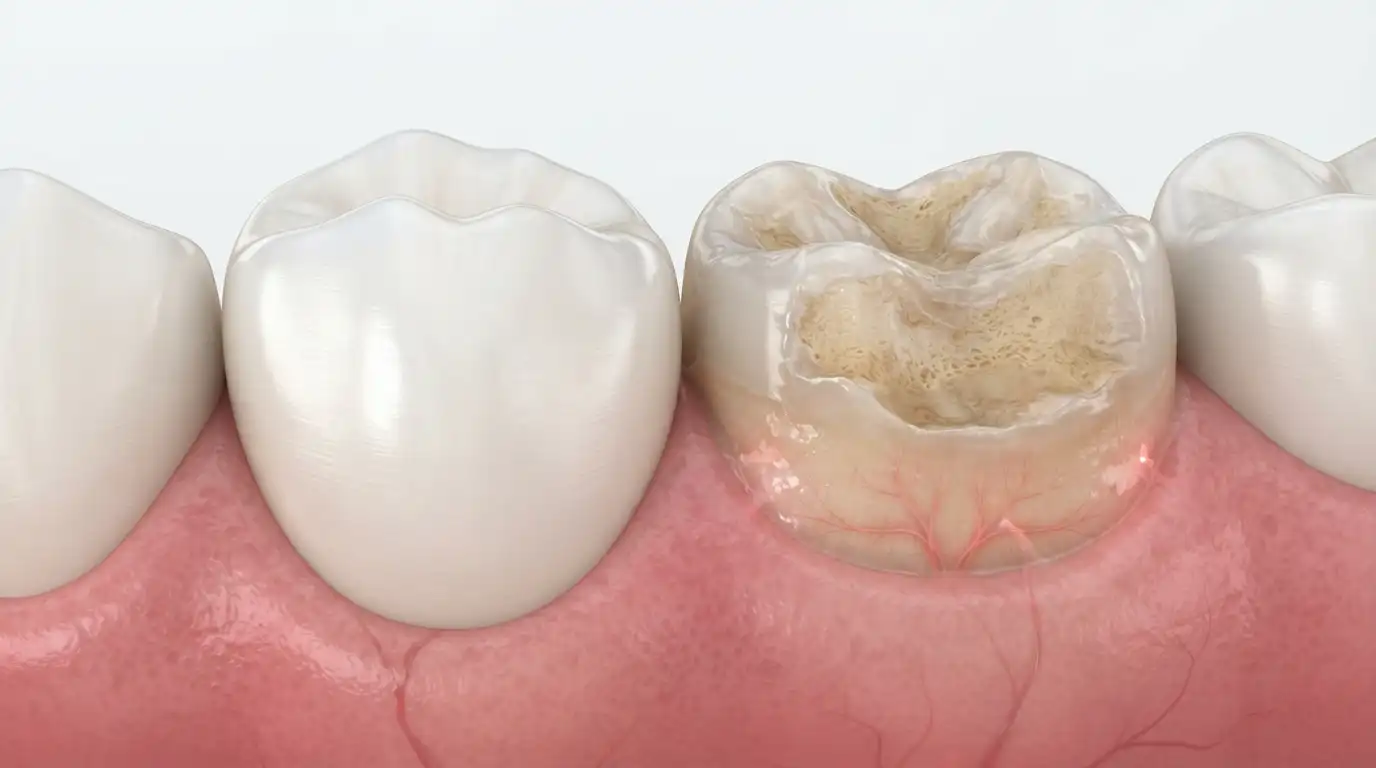
Tooth enamel is the hard outer layer that covers each tooth. It protects the softer parts inside from chewing, temperature changes, bacteria, and acids. Although enamel is very strong, it can slowly become weaker. Acidic foods, sugary drinks, poor brushing habits, acid reflux, and normal daily wear can all affect it. Because enamel does not contain living cells, it cannot grow back after it is physically lost.
Can Toothpaste Strengthen Enamel?
Yes, toothpaste can help strengthen enamel when the tooth surface is still present but has started losing minerals. Certain ingredients support remineralization and help replace some minerals in weak areas.
Toothpaste can also help make enamel more resistant to future acid attacks. However, it cannot rebuild enamel that has already worn away because of severe erosion, decay, or physical damage. Its main role is to protect and support the enamel you still have.
How Does Toothpaste Help Remineralize Enamel?
Your teeth naturally lose and gain minerals throughout the day. When acids remove minerals from enamel, this is called demineralization. When minerals return to the enamel, it is called remineralization. Saliva naturally provides calcium and phosphate, while certain toothpaste ingredients can give extra support.
Fluoride applied directly to enamel through toothpaste, gels, varnishes, or foams reduces demineralization and helps remineralize enamel that has been weakened by acid, while also helping calcium and phosphate redeposit into the enamel. When fluoride is present during remineralization, it forms fluorohydroxyapatite, a structure that is stronger and more resistant to decay than hydroxyapatite on its own.
This is one reason fluoride has such a long track record in enamel care, though hydroxyapatite-based formulas are a newer, actively studied alternative for people who prefer fluoride-free options. Brushing regularly is important because these ingredients work best when used consistently.
What Ingredients Should You Look For in an Enamel-Strengthening Toothpaste?
The ingredients in your toothpaste matter when enamel support is your main goal. A good formula should help protect the tooth surface without being too harsh. Different ingredients work in different ways, so it helps to understand what each one does before choosing a product.
Fluoride
Fluoride is one of the most widely used ingredients for strengthening teeth. It helps enamel resist acid attacks and supports remineralization when early mineral loss begins.
According to the American Dental Association, fluoride strengthens teeth to help prevent decay and remineralizes enamel in its early stages, and toothpaste must meet this standard to carry an ADA-Accepted anticavity claim. It is commonly used in cavity-protection toothpaste and has been studied for decades. People with a higher risk of tooth decay may benefit from discussing fluoride toothpaste with their dentist.
Hydroxyapatite
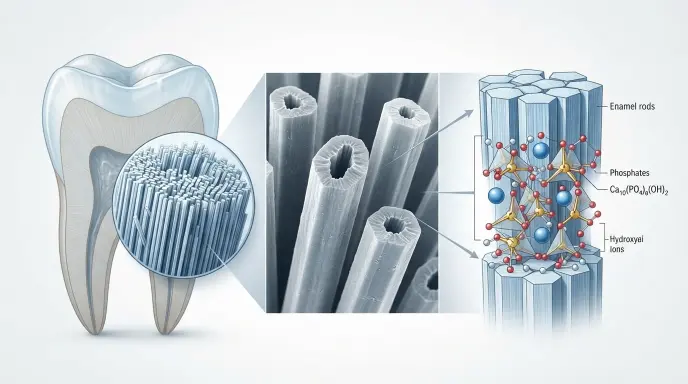
Hydroxyapatite is a calcium-based mineral similar to the mineral naturally found in teeth. It is now used in many toothpastes designed to support enamel. Laboratory research has compared hydroxyapatite-containing toothpaste with fluoride-containing toothpaste.
Studies look at how well each one supports remineralization and protects enamel from further demineralization. The ingredient can interact with the tooth surface and may help fill very small weak areas. Hydroxyapatite is also commonly used in fluoride-free toothpaste formulas, and research on it continues to grow, though it has a shorter research history than fluoride.
Calcium and Phosphate
Calcium and phosphate are important minerals that make up much of the structure of tooth enamel. Saliva naturally contains both of them. Some toothpaste formulas include ingredients designed to make these minerals available around the tooth surface. They can support the natural remineralization process when enamel has started losing minerals.
What Can Weaken Your Tooth Enamel?
Enamel can become weaker when teeth are exposed to acids too often or experience repeated physical wear. Some causes come from food and drinks, while others are linked to health conditions or daily habits.
Common causes include:
- Frequent acidic foods and drinks
- Acid reflux or frequent stomach acid exposure
- Brushing too hard
- Frequent sugar intake
- Teeth grinding or clenching
- Poor oral hygiene
These habits do not usually damage enamel after one exposure. The risk increases when enamel faces repeated acid attacks or physical wear over time.
What Research Shows About Toothpaste and Enamel Remineralization
Research shows that certain toothpaste ingredients can help support enamel remineralization when mineral loss is still at an early stage. A 2019 study published in BDJ Open (hydroxyapatite and fluoride toothpaste remineralization study) compared toothpaste containing 10% hydroxyapatite with fluoride toothpaste. Both toothpastes helped remineralize initial enamel lesions, with no significant difference between them in that study.
A 2024 systematic review and meta-analysis (clinical evidence on hydroxyapatite oral care products) also evaluated research on hydroxyapatite used in toothpaste and other oral care products. The review found growing evidence supporting hydroxyapatite as an active ingredient for protecting teeth against caries. This research supports the role of remineralizing toothpaste in protecting existing enamel, but toothpaste still cannot replace enamel that has already been permanently lost.
How to Choose the Right Toothpaste for Stronger Enamel
Start by checking the ingredients instead of choosing toothpaste only because of its flavor, whitening claims, or packaging. Look for ingredients that support remineralization and consider how gentle the formula is.
Your individual needs also matter. Someone worried about cavities may have different needs from someone looking for a fluoride-free formula or a toothpaste for sensitive teeth.
Think about your own oral health needs as well. If you deal with sensitivity, frequent cavities, or enamel wear, you may need a different formula than someone who simply wants everyday enamel support. It is also helpful to avoid overly abrasive toothpaste if your enamel is already worn or sensitive.
| What to Check | Why It Matters |
| Remineralizing ingredients | Help support weakened enamel |
| Abrasiveness | Gentler formulas may reduce unnecessary wear |
| Fluoride or hydroxyapatite | Both are used for enamel support |
| Product formulation | Ingredients should work well together |
| Your oral health needs | Different teeth may need different care |
A dentist can help if you are unsure which type of toothpaste is right for your teeth.
Enamel & Co. Toothpaste for Enamel Support
Enamel & Co. offers a dentist-owned and formulated toothpaste designed for everyday enamel care. The formula contains nano-hydroxyapatite, an ingredient used in oral care products to support remineralization. It also includes EnamelSync™ Peptide Technology as part of the product formula. Enamel & Co. toothpaste is fluoride-free and SLS-free, making it an option for people looking for this type of daily toothpaste.
The toothpaste comes in an airless pump package designed to keep the formula protected while making it easy to use. It can be purchased online and is also available through participating dental offices. Like any toothpaste, it should be viewed as part of good daily oral care. It can support enamel care, but it cannot replace enamel that has already been permanently lost or replace dental treatment when a tooth has serious damage.
How to Protect Your Enamel Every Day
Your toothpaste matters, but daily habits play an equally important role in keeping enamel strong. Small changes can reduce how often your teeth are exposed to acids and other causes of wear.
For better enamel care:
- Brush twice each day with a soft toothbrush.
- Use gentle pressure instead of scrubbing.
- Clean between your teeth daily.
- Drink water throughout the day.
- Limit frequent acidic snacks and drinks.
- Avoid brushing immediately after acidic foods or drinks.
- Keep up with regular dental visits.
Consistency is more important than trying to fix enamel problems after they become severe. Protecting the enamel you have today can help reduce problems later.
When Should You Talk to a Dentist About Weak Enamel?
Some early enamel changes can be difficult to notice without a dental exam. A dentist can check whether your symptoms come from enamel erosion, tooth decay, gum problems, exposed dentin, or another cause. You should consider getting professional advice if you notice lasting sensitivity, visible enamel wear, chips, cracks, increasing discoloration, or tooth pain.
Teeth that start looking thinner or more transparent around the edges may also need to be checked. Do not rely only on toothpaste if you have ongoing pain or major changes in your teeth. Finding the cause early can make treatment easier.
Conclusion
Toothpaste can strengthen enamel when the enamel is still present but has started losing minerals. Remineralizing ingredients such as fluoride, hydroxyapatite, calcium, and phosphate can support the tooth surface and help protect it from everyday acid exposure.
The most important point is that toothpaste protects and supports existing enamel. It cannot grow back enamel that has already been permanently lost. Choosing the right toothpaste, brushing gently, limiting acidic foods and drinks, and maintaining regular dental care can all help protect your teeth over time.
Give Your Enamel the Support It Needs
Looking for a toothpaste made with enamel support in mind? Enamel & Co. Toothpaste combines nano-hydroxyapatite with EnamelSync Peptide Technology in a fluoride-free and SLS-free formula for everyday oral care.
Shop Enamel & Co. Toothpaste online to explore the product, or contact Enamel & Co. if you have questions about the toothpaste or need help before placing your order.
Frequently Asked Questions
Can toothpaste strengthen weak enamel?
Yes. Toothpaste with remineralizing ingredients can help strengthen enamel that has started losing minerals. It works best when the enamel is still present and the damage is at an early stage.
Can toothpaste rebuild lost enamel?
No. Toothpaste cannot grow back enamel that has already been physically lost. It can only support and protect the enamel that remains on the tooth.
How long does it take to remineralize enamel?
There is no exact timeline. It depends on your oral health, diet, saliva, toothpaste, and daily habits. Regular brushing and limiting acid exposure are important for long-term enamel support.
Is hydroxyapatite good for enamel?
Hydroxyapatite is commonly used in toothpaste designed to support enamel remineralization. It is similar to the mineral naturally found in teeth and is often used in fluoride-free formulas.
Is fluoride or hydroxyapatite better for enamel?
Both ingredients are used for enamel support, but they work differently and have different levels of research behind them. The best option can depend on your cavity risk, preferences, and dentist’s advice.
Can toothpaste reverse enamel erosion?
Toothpaste may support early mineral loss, but it cannot reverse enamel erosion once actual tooth structure has disappeared. Preventing further damage becomes especially important at that stage.
Does whitening toothpaste damage enamel?
Not every whitening toothpaste damages enamel. However, some formulas can be more abrasive than regular toothpaste. If you already have enamel wear or sensitivity, choosing a gentler formula may be a better option.