
Yellow teeth can often be improved, but the best solution depends on what is causing the discoloration. Surface stains from coffee, tea, tobacco, and certain foods may respond to whitening, while deeper or natural tooth color may require a different approach. Understanding the cause is the first step toward choosing a treatment that can safely improve the appearance of your smile.
At Enamel & Co., we focus on helping people understand what actually works for improving tooth color without relying on unrealistic whitening claims. From professional whitening options to everyday oral care, knowing which methods can address your type of discoloration can help you choose the right approach for a brighter smile.
Why Your Teeth May Look Yellow
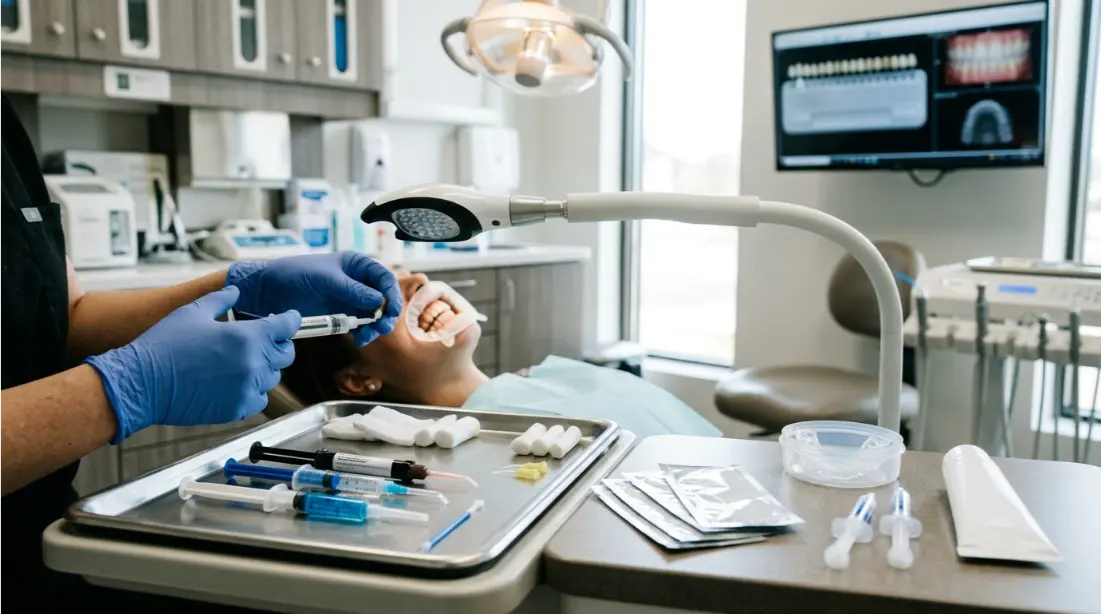
Teeth may look yellow because of natural dentin color, aging, changes inside the tooth, or a previous dental injury. Knowing the cause helps determine whether cleaning, whitening, or dental treatment is more appropriate.
Surface Staining
Surface staining develops on the outside of the enamel and is often caused by coffee, tea, red wine, tobacco, or strongly colored foods. Plaque and tartar can also make teeth look dull or yellow. Because this discoloration is mainly on the outer surface, it is usually easier to improve than staining that develops deeper inside the tooth.
Natural Tooth Color
Naturally yellow teeth are not necessarily unhealthy. Healthy enamel is partly translucent, which allows some of the yellow-colored dentin underneath it to show through. The amount of visible dentin varies from person to person, so some healthy teeth naturally appear creamier or more yellow than others. Whitening can lighten natural teeth, but it cannot give everyone exactly the same shade.
Changes Inside the Tooth
Discoloration inside the tooth is usually harder to remove because the color is within the enamel or dentin rather than sitting on the surface. Fluorosis, certain medications taken while teeth are developing, tooth decay, developmental enamel changes, and changes in the dental pulp can all affect tooth color. Whitening toothpaste may have little effect when the discoloration is mainly internal.
Yellowing From Aging
Teeth commonly become more yellow with age because enamel changes and years of staining can happen at the same time. As enamel becomes thinner or more translucent, more of the naturally yellow dentin underneath may become visible. Coffee, tea, tobacco, wine, and other staining substances can also gradually add discoloration to the outer enamel.
Why One Tooth May Turn Darker
One tooth looks darker because something changed inside that tooth, most often damage to the pulp from an old injury. The pulp is the soft tissue in the center of the tooth, and after a hit it can change slowly, which is why a tooth can darken years after the injury. In a study of 637 injured permanent incisors, researchers led by Frances Andreasen found pulp canal changes after luxation injuries, meaning the tooth was knocked loose or out of position. Some of those teeth also developed visible crown discoloration. Decay can cause the same single-tooth change. A single darker tooth should be checked by a dentist before you try to whiten it.
Can Yellow Teeth Become White Again?
Yes, yellow teeth can become lighter. Stains on the outside of the enamel can lift almost completely, while color that comes from inside the tooth may only lighten part of the way. That difference explains why two people can use the same product and get very different results.
Teeth That Usually Respond Well
Teeth with coffee, tea, or tobacco stains respond best, because cleaning or whitening lifts that color off the enamel. Naturally yellow teeth and age-related yellowing also respond well, since peroxide-based bleaching lightens the tooth itself instead of only polishing the surface.
Teeth That May Improve Only Slightly
Teeth with medication staining, strong developmental discoloration, severe fluorosis, or enamel changes improve only slightly. The color sits inside the tooth, so bleaching can lighten it but may not reach the shade you expect.
Cases Where Whitening May Not Help
Whitening does not work on crowns, veneers, tooth-colored fillings, decay, infection, or pulp damage. Restorations keep their shade while the natural teeth around them get lighter, and a dentist needs to treat decay, infection, or pulp damage before color becomes the goal.
Professional Options for Improving Yellow Teeth
A dentist can improve yellow teeth with in-office whitening, custom take-home trays, or a professional cleaning. The dentist first finds the cause of the yellow color, then picks the option that fits your teeth. These options are worth considering when regular cleaning or store-bought whitening has not given you the result you want.
In-Office Whitening
In-office whitening is a treatment where a dentist applies a peroxide-based bleaching gel to your teeth, and it works faster than most home methods. Some people see a visible change after one visit, though deeper discoloration may need more. The dentist protects your gums during the treatment and can adjust it if sensitivity shows up, because a stronger gel is not always better.
Custom Take-Home Whitening Trays
Custom take-home trays are mouthpieces a dentist makes to fit your teeth, and you wear them at home with whitening gel. They work more gradually than an office visit. The close fit holds the gel against the tooth surface and helps keep it where it belongs. How long you wear them depends on the gel strength and your starting shade.
Dental Cleaning for Surface Buildup
A professional cleaning is the best choice when plaque, tartar, or outside stains cause the yellow look. It removes deposits that brushing cannot fully remove at home, so teeth can look brighter without any change to the natural tooth color. If the color does not improve, ask the dentist to check for a deeper cause before moving to whitening.
At-Home Whitening Methods
At-home whitening can be a convenient option for mild to moderate discoloration, but different products work in different ways. Some mainly remove surface stains, while others use peroxide to change natural tooth color. The best choice depends on the type of yellowing, the condition of your teeth, and how much whitening you are trying to achieve.
Whitening Toothpaste
Whitening toothpaste mainly helps remove stains from the outer tooth surface. Bruno Casado and colleagues reviewed clinical trials that compared whitening toothpastes with regular non-whitening toothpastes. Their systematic review found greater tooth color changes with whitening dentifrices.
Whitening toothpaste can therefore help with mild surface staining. However, it usually does not create the same deeper color change as peroxide-based bleaching. It may also be useful for helping control new surface stains after whitening.
Whitening Strips
Whitening strips usually contain peroxide and sit against the front surfaces of the teeth for a set amount of time.
Gabriela da Rosa, Bruna Maran, Vanessa Schmitt, Alessandro Loguercio, Alessandra Reis, and Fabiana Naufel compared whitening strips with dentist-supervised bleaching. Their systematic review found that dentist-supervised at-home bleaching produced a greater measured color change, while whitening strips had lower levels of tooth sensitivity in their analysis.
Strips can be useful for some people, but they should be used exactly as directed. Leaving them on longer or using them more often does not guarantee a better result.
LED Whitening Kits
Some home whitening kits combine bleaching gel with an LED light. The whitening ingredient is still the main part of the treatment. A bright light by itself does not remove deep tooth discoloration. When comparing kits, pay more attention to the whitening ingredient, concentration, treatment directions, and recommended use than to how powerful the light appears.
Natural Remedies for Yellow Teeth
Natural remedies are often promoted as simple ways to whiten teeth, but they do not all have the same effect or safety level. Some may help with surface stains, while others can irritate the gums or wear down enamel if used too often. It is important to separate methods that may offer limited stain removal from those that can damage the tooth surface without providing meaningful whitening.
Baking Soda
Baking soda can help remove some external stains because it has mild abrasive properties. That does not mean it can bleach discoloration that is deep inside the tooth. Scrubbing aggressively with abrasive powders can also irritate the gums or cause unnecessary surface wear.
Hydrogen Peroxide
Hydrogen peroxide is a real whitening ingredient. It is used in many professional and over-the-counter whitening products. The important difference is that dental whitening products are made with specific concentrations and directions. Using household peroxide without knowing the proper concentration or leaving it against the teeth for too long may increase sensitivity and gum irritation.
Oil Pulling
Oil pulling involves moving an edible oil around the mouth for several minutes. It should not be expected to chemically bleach teeth in the same way peroxide does. Even if the mouth feels cleaner afterward, that does not mean the deeper natural color of the teeth has changed.
Fruit Peels and Acidic Ingredients
Lemon juice, citrus peels, vinegar, and other acidic ingredients are sometimes promoted as home whitening remedies. Acid is not a good way to make teeth look brighter. Acidic ingredients can soften the mineral surface of enamel. Repeated exposure may contribute to enamel wear. As enamel becomes thinner, more yellow dentin underneath may become visible, which can make the original concern worse.
Activated Charcoal
Activated charcoal is often marketed as a natural stain remover. It may help polish away certain surface stains, depending on the product, but that is different from bleaching the natural color inside a tooth. The abrasiveness of charcoal products can also vary. Teeth feeling polished after using a dark, gritty powder does not prove that deep discoloration has been removed.
How to Tell Which Whitening Option Fits Your Teeth
The best whitening option depends on what is causing the discoloration.
| What You Notice | What May Help | Why |
| Plaque, tartar, or surface buildup | Professional cleaning | Cleaning removes deposits from the outside of the teeth |
| Coffee, tea, or tobacco stains | Cleaning or whitening | Surface stains may respond to cleaning, while deeper stains may need whitening |
| Healthy natural teeth that look yellow | Whitening | Peroxide-based whitening can lighten natural tooth color |
| One tooth has changed color | Dental examination first | A single discolored tooth may be linked to trauma or an internal problem |
| Tooth pain or strong sensitivity | Dental examination first | Whitening will not treat decay or pulp problems |
| Visible decay or unhealthy gums | Dental examination first | Oral health problems should be addressed before cosmetic whitening |
| Crowns, veneers, or visible fillings | Dental evaluation before whitening | Restorations do not whiten like natural teeth |
Cleaning removes material from the outside of the tooth. Whitening changes the appearance of natural tooth structure. If pain, trauma, decay, or a sudden color change is present, finding the cause should come before trying to whiten the tooth.
Why Whitening Does Not Work on Every Type of Discoloration
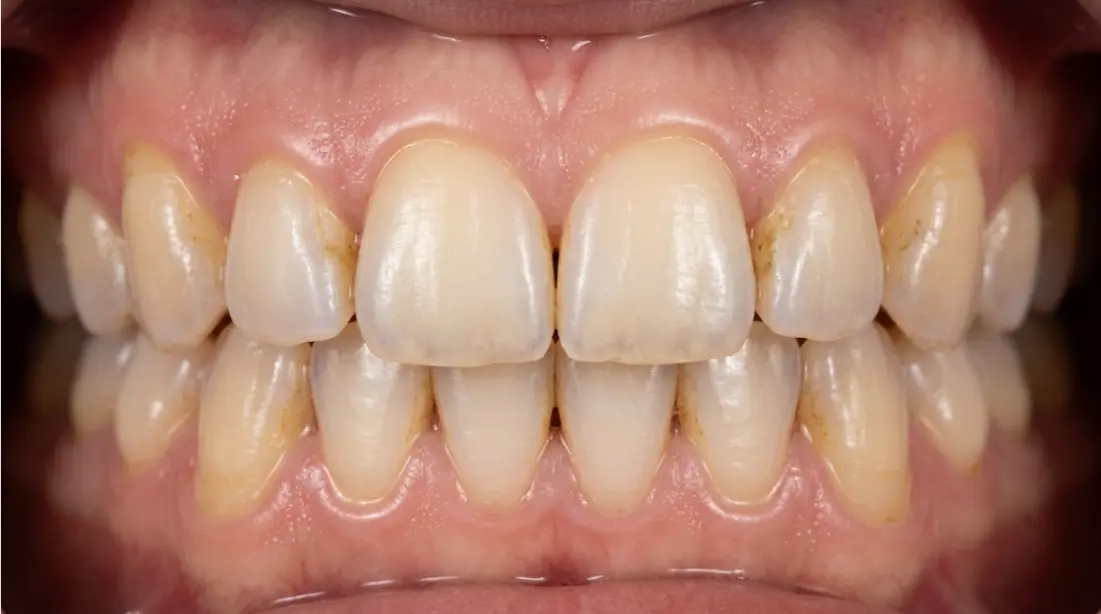
Whitening works best when the discoloration can respond to bleaching, but not every yellow or dark tooth has the same cause. Fluorosis may leave white, brown, or uneven areas in enamel, while medication-related staining such as tetracycline discoloration can develop deeper inside the tooth. These types of color changes may improve with whitening, but they may not disappear completely.
Enamel changes and dental trauma can also limit whitening results. Thin or worn enamel can allow more yellow dentin to show through, and bleaching cannot rebuild lost enamel. A tooth that changes color after an injury may have changes inside the pulp or tooth structure, so it should be examined before whitening is used.
Does Whitening Work on Crowns, Veneers, and Fillings?
No, whitening does not work on crowns, veneers, or tooth-colored fillings. Only natural teeth get lighter, so an older restoration can look darker or mismatched next to them afterward. The American Dental Association explains that whitening lightens natural teeth but does not whiten these materials, so repeating the treatment will not fix the mismatch.
If you are planning new dental work, whitening is usually done first. Once your teeth settle at their new shade, the dentist can match the crown, veneer, or filling to it. If you already have restorations, ask your dentist to check whether they still match after whitening.
How Long Does It Take to Improve Yellow Teeth?
Yellow teeth can improve after one dental visit or take several weeks, depending on the method. Professional whitening is the fastest, and some people see a visible change after one visit, though deeper discoloration may need more than one treatment. Whitening strips take several days to a few weeks to show a noticeable change when used as directed. Whitening toothpaste is the slowest, because it only removes surface stains a little at a time during regular brushing.
The cause of the color also changes the wait. Stains on the outside of the enamel lift faster than color that sits inside the tooth, so two people using the same product can wait different lengths of time. A stronger treatment is not always the better pick, either. A systematic review of randomized clinical trials found that dentist-supervised at-home bleaching changed tooth color more than whitening strips on a spectrophotometer, but the difference could not be seen by the naked eye, and strips caused less sensitivity. If your teeth are sensitive, strips at a steady pace are a reasonable choice, and wearing them longer than the directions say will not speed up the result.
How to Prevent Yellow Teeth From Coming Back
To keep yellow teeth from coming back, clean your teeth well every day, limit exposure to staining foods and drinks, and use whitening products only as directed. New surface stains build up over time, and natural aging slowly changes tooth color, so these habits help results last longer but cannot stop the shade from changing completely.
Daily Oral Hygiene
Brush regularly with a toothpaste that fits your oral care needs and clean between your teeth. Removing plaque and food debris helps prevent buildup from making teeth look dull. Good daily care can also make surface stains easier to control.
Managing Staining Habits
Coffee, tea, tobacco, red wine, and strongly colored foods can contribute to external staining. You do not necessarily need to remove every staining food or drink from your routine. Drinking water afterward and maintaining good oral hygiene can help reduce how much staining material remains on tooth surfaces.
Maintaining Whitening Results
Touch-up whitening can help maintain your results, because whitening does not last forever. Teeth keep aging and new stains can develop after treatment. Follow the product directions or your dentist’s advice when you repeat it, and check with your dentist if sensitivity develops, since using more whitening products is not automatically better.
When Yellow Teeth Need a Dental Checkup
Yellow teeth are often a cosmetic concern, but some color changes should be checked before you try whitening. A tooth that suddenly becomes yellow, brown, gray, or darker than the others may have an internal problem, especially if it was recently injured or has a history of trauma.
You should also get the tooth checked if the discoloration comes with pain, swelling, strong sensitivity, or discomfort when biting. If brushing and professional cleaning do not improve the color, the cause may be deeper than the surface, such as enamel changes, natural dentin color, medication staining, or trauma.
Conclusion
Knowing how to fix yellow teeth starts with identifying the cause instead of immediately choosing the strongest whitening product. Surface stains may improve with professional cleaning, whitening toothpaste, or whitening strips. Healthy natural teeth with deeper yellowing may respond better to peroxide-based whitening. Fluorosis, medication staining, enamel changes, trauma, and dental restorations may require a different approach.
A healthy tooth can naturally have a warm or slightly yellow shade. The goal does not need to be an extremely bright white color. Understanding why your teeth look yellow can help you choose an option that makes sense for your teeth. If one tooth suddenly changes color, you have pain or strong sensitivity, or cleaning does not improve the appearance, have the cause checked before trying stronger whitening products.
Improve the Appearance of Your Yellow Teeth With Enamel & Co.
Whitening is only one part of keeping teeth looking clean and healthy. Daily oral care also plays an important role in managing surface buildup and maintaining the appearance of your smile. Enamel & Co. offers fluoride-free toothpaste made with nano-hydroxyapatite for everyday enamel care. Explore Enamel & Co. products to learn more about the ingredients and find an option that fits your daily oral care routine.
Daily toothpaste can support regular cleaning and enamel care, but it should not be viewed as a replacement for professional whitening or dental treatment when discoloration comes from deeper changes inside the tooth.
Frequently Asked Questions
Can yellow teeth be fixed without damaging enamel?
Often, yes. Professional cleaning and properly used whitening products can improve many types of yellowing. The right method depends on whether the discoloration is on the surface or deeper inside the tooth.
What is the fastest safe way to improve yellow teeth?
Professional whitening usually provides a faster visible shade change than toothpaste or strips. However, professional cleaning may be the better first step when tartar or surface staining is the main cause.
Can naturally yellow teeth be made whiter?
Natural teeth can often be lightened with bleaching. However, everyone starts with a different natural shade, so whitening cannot make every person’s teeth the same bright white color.
Why is only one tooth turning yellow?
One tooth may change color after trauma or because of changes inside the pulp. A single discolored tooth should be examined before you try to bleach it.
How long do whitening results usually last?
There is no fixed timeline. Diet, tobacco use, oral hygiene, aging, the whitening method, and how quickly new stains form can all affect how long the result lasts.