
Your teeth may look yellow at the bottom because the enamel is thinner near the gumline, allowing the naturally yellow dentin underneath to show through. Yellowing in this area can also come from plaque or tartar, surface stains, enamel wear, or gum recession that exposes the tooth root.
Enamel Co focuses on protecting and caring for the enamel that helps keep your teeth looking healthy. Understanding whether the yellow color is part of your natural tooth structure or caused by buildup, staining, or enamel wear can help you choose the right way to care for it.
Why Does the Bottom of a Tooth Look More Yellow?
The bottom part of a tooth can look more yellow because the enamel is naturally thinner near the gumline. Since enamel is slightly translucent, the color of the layer underneath can become more noticeable in this area. The effect can be especially clear when the rest of the tooth has thicker, lighter-looking enamel.
Enamel Is Thinner Near the Gumline
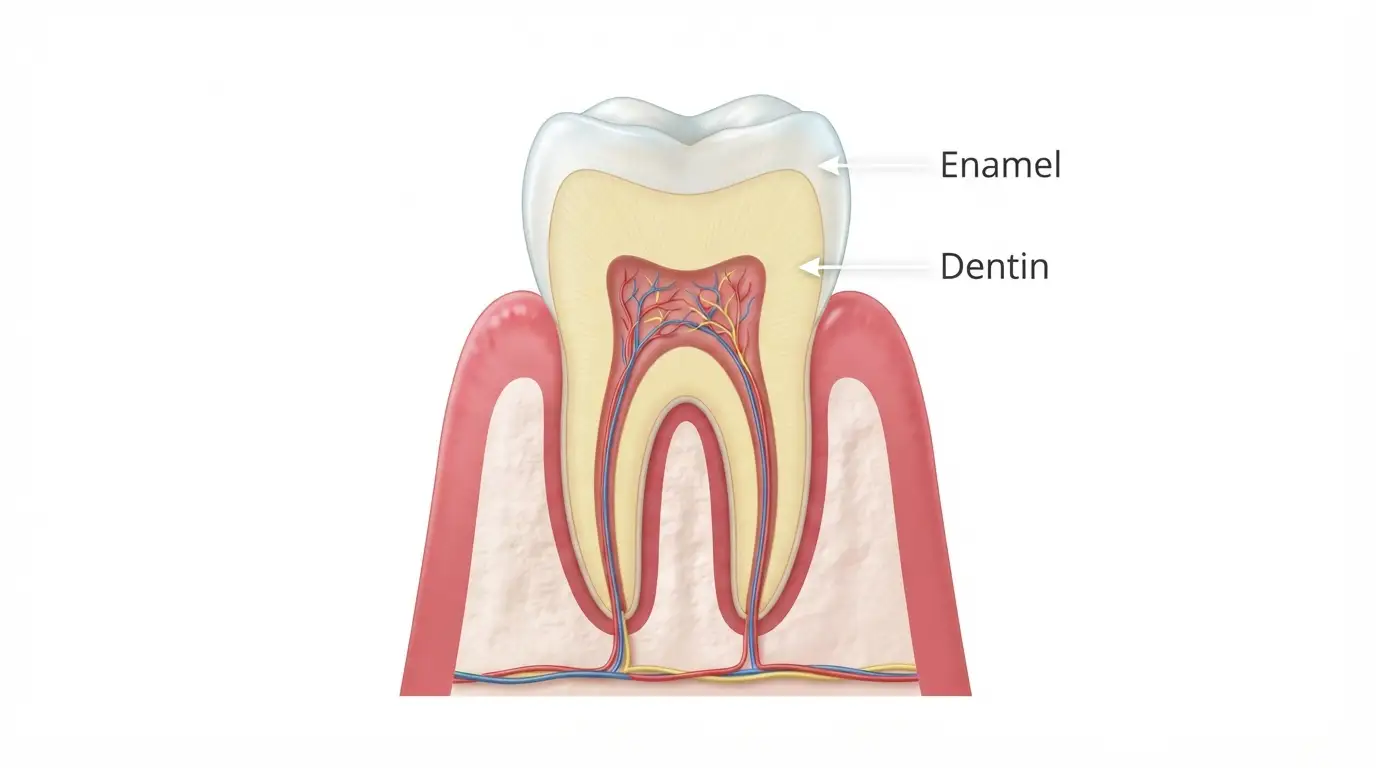
Enamel covers the crown of your tooth, but it is not the same thickness in every area. Near the gumline, it can be thinner, which allows more of the underlying dentin to show through. This can make the base of a tooth look slightly more yellow even when the tooth is healthy and clean.
Yellow Dentin Can Show Through
Dentin is the layer beneath the enamel, and its natural color is yellowish. Because enamel is translucent rather than completely white, some of this color can show through. As a result, the area closer to the gumline may look more yellow than the middle or upper part of the tooth.
Gum Recession Can Expose the Root
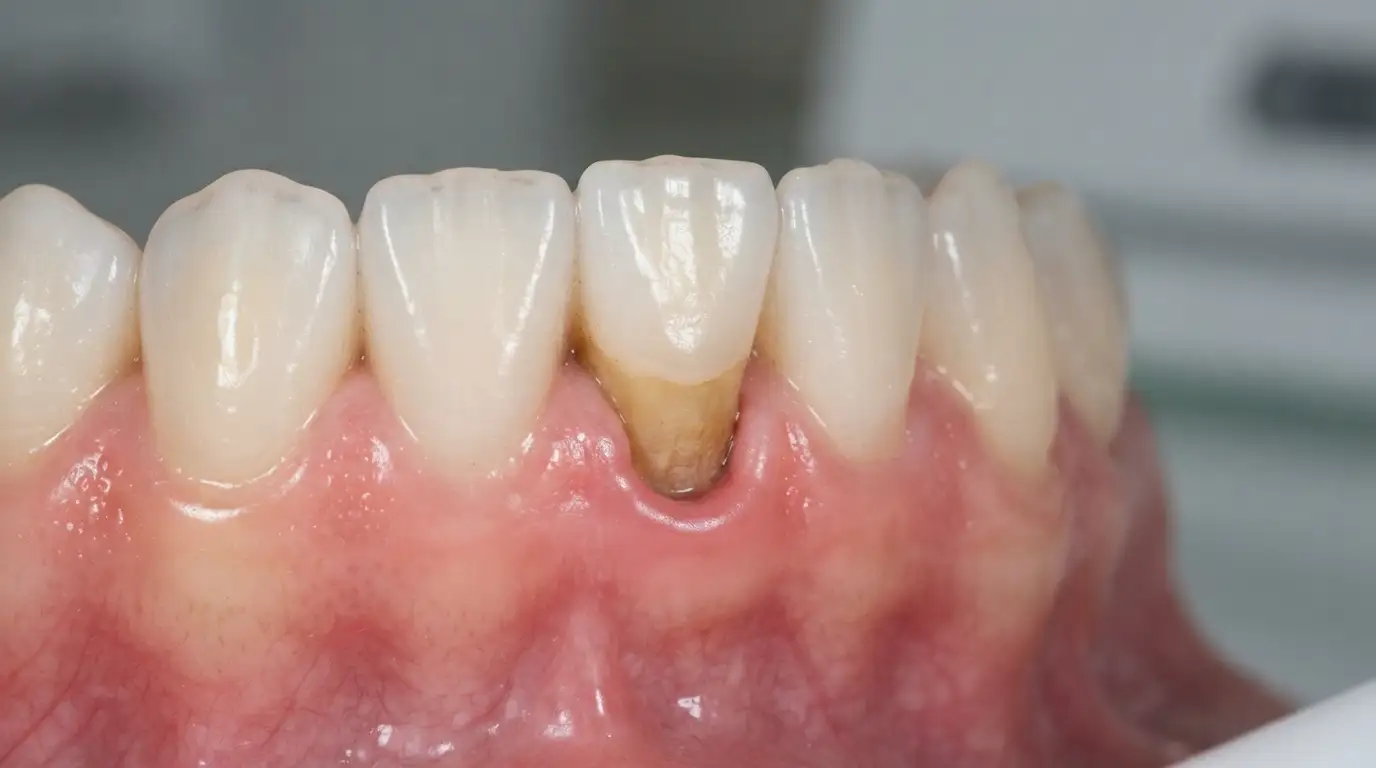
If the gums pull away from the teeth, part of the tooth root can become exposed. Root surfaces do not have the same thick enamel covering as the crown, so they can look more yellow or darker than the rest of the tooth. Gum recession can also make the color difference more noticeable, especially around the bottom of the teeth.
What Causes Yellowing Near the Gumline?
Yellowing near the gumline can have several causes, from everyday buildup and staining to changes in the enamel or gums. Looking at the texture, pattern, and other symptoms can help you understand what may be causing the color change.
Plaque and Tartar Buildup
Plaque is a soft, sticky film that forms on your teeth when bacteria mix with food particles and saliva. If it is not removed regularly, it can harden into tartar, also called calculus. Tartar can form a yellow or brown line where the teeth meet the gums and cannot be removed by regular brushing alone.
Coffee, Tea, and Other Surface Stains
Coffee, tea, tobacco, and strongly colored foods and drinks can leave pigments on the tooth surface. These surface stains can become more noticeable near the gumline, especially when plaque is also present. Regular brushing and professional dental cleanings can help manage this type of discoloration.
Enamel Wear From Acid and Abrasion
Repeated exposure to acidic foods and drinks can contribute to enamel erosion over time. Brushing too hard or using excessive pressure can also contribute to enamel wear. As enamel becomes thinner, the naturally yellow color underneath can become more visible, making the bottom of the teeth appear more yellow.
Gumline Decay and Root-Surface Decay
Decay can develop near the gumline, especially when part of the tooth root is exposed by gum recession. A decayed area may look yellow, brown, or darker than the surrounding tooth. If the discoloration is limited to one area and comes with pain, sensitivity, roughness, or a visible spot, a dentist should check it.
Aging and Natural Tooth Color
Teeth can look more yellow as you get older because enamel gradually becomes thinner with age. This can make the naturally darker dentin underneath more visible. Changes in tooth color over time are common, but a sudden or uneven color change should be checked by a dentist.
Less Common Causes of Tooth Discoloration
Some yellow or darker areas have less common causes. A previous injury to a tooth, certain medications, dental fluorosis, or a dental restoration can affect tooth color. These causes are usually easier to identify when the discoloration is limited to specific teeth or has a distinct pattern.
What Research Says About Tooth Discoloration and Decay
A 2024 study published in Human Organization examined how caregivers of young children understood tooth discoloration and decay. The researchers found that participants described tooth discoloration using several color terms, including white, yellow, brown, and black. The study also observed that darker discoloration was associated with more extensive areas of tooth decay among the children studied. This suggests that discoloration can sometimes be a visible sifgn of tooth deterioration, but color alone cannot confirm whether a tooth has decay. A dentist needs to examine the tooth to determine the actual cause of a new or localized yellow, brown, or dark area.
How Can You Tell What Is Causing the Yellowing?
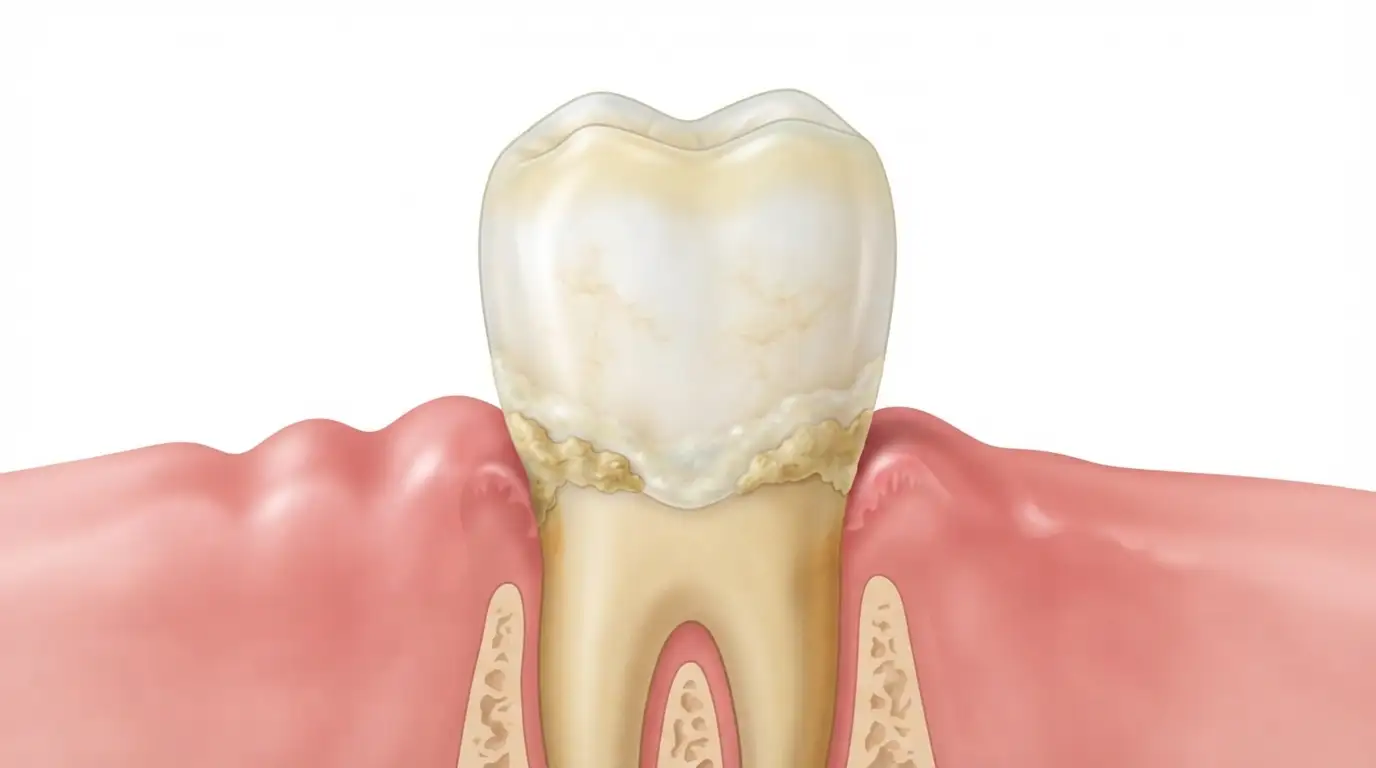
The way the yellowing looks can give you a clue about what is causing it. A thin line, hard buildup, smooth color change, or a sudden change in one tooth can point to different causes. This table can help you narrow down what you are seeing:
| What you notice | What it may mean |
| Thin yellow line along the gums | Plaque or tartar |
| Hard, rough yellow or brown buildup | Tartar |
| Smooth yellow color near the gumline | Natural dentin showing through |
| Yellow area where the gum has pulled back | Exposed root surface |
| Yellow or brown patches | Surface staining |
| Yellow or dark spot with sensitivity or a rough area | Possible decay |
| One tooth suddenly becomes darker | Possible internal discoloration |
This guide cannot confirm the cause on its own. If the color change is new, limited to one tooth, or comes with pain, sensitivity, gum changes, or a rough area, a dental examination can help identify the problem.
Is It Normal for Teeth to Look Yellow at the Bottom?
Yes, a slightly yellow shade near the bottom of the teeth can be normal. Enamel is not completely opaque, so the natural yellowish color of the dentin underneath can show through, especially where the enamel is thinner near the gumline. If the color is smooth, even, and has been there for a long time, it may simply be part of your natural tooth color.
Yellowing is more likely to need attention when it is new, uneven, or becoming more noticeable. A yellow or brown buildup may be plaque or tartar, while patches can come from surface stains. Gum recession and enamel wear can also change how the bottom of a tooth looks. If the discoloration appears suddenly or comes with sensitivity, pain, gum changes, or a rough area, it is worth having a dentist check it.
Can Brushing Remove Yellowing at the Bottom?
Brushing can help remove yellowing caused by plaque and some surface stains, but it cannot remove every type of discoloration. What brushing can do depends on whether the color is sitting on the tooth surface or comes from the tooth structure itself.
When Brushing Can Help
Regular brushing removes plaque before it can harden into tartar. It can also help reduce some surface stains caused by foods, drinks, and tobacco. Brushing twice a day with gentle pressure helps keep the gumline clean and reduces the buildup that can make the bottom of the teeth look yellow.
When Brushing Cannot Remove It
Brushing cannot remove hardened tartar once it has formed. It also cannot change the natural yellow color of dentin or completely whiten an exposed root surface. Discoloration caused by decay or changes inside the tooth will not be fixed by brushing either. These problems may need professional dental care.
How to Reduce Yellowing Near the Gumline
Keeping the area around your gums clean can help prevent yellow buildup and surface stains. Brush your teeth twice a day with gentle pressure, and clean between your teeth every day to remove plaque from areas your toothbrush may miss.
Avoid brushing aggressively, since too much pressure can contribute to enamel wear and gum recession. If you regularly have coffee, tea, tobacco, or other staining foods and drinks, reducing frequent exposure can also help limit surface stains.
If you already have hard yellow or brown tartar near the gums, regular brushing will not remove it. A professional dental cleaning can safely remove hardened buildup. If the yellowing is linked to gum recession, sensitivity, decay, or another dental problem, a dentist can recommend the appropriate treatment.
Can Yellow Teeth at the Bottom Be Whitened?
Yellowing near the bottom of your teeth can sometimes be lightened, but the right approach depends on what is causing the color change. Surface stains from coffee, tea, tobacco, and other pigmented foods or drinks may respond to professional or at-home whitening. However, whitening will not remove tartar or fix problems affecting the tooth itself.
Tartar needs to be removed with a professional dental cleaning before whitening is considered. Natural dentin color and exposed root surfaces may also respond differently from the enamel on the crown. If the yellowing is caused by decay, whitening is not the right solution. A dentist should examine the tooth and treat the underlying problem first.
When Should You See a Dentist About Yellow Teeth?
Mild, even yellowing near the gumline may be part of your natural tooth color, but some changes should be checked by a dentist. Make an appointment if the yellowing is new, getting worse, or does not improve with normal brushing and cleaning.
You should also see a dentist if you notice:
- A sudden change in tooth color
- One tooth becoming darker than the others
- Hard or rough yellow or brown buildup
- Pain or increased sensitivity
- Bleeding, swollen, or tender gums
- Gums pulling away from the teeth
- A localized yellow or dark spot
- Signs that may suggest tooth decay
- Discoloration that remains after regular cleaning
A dental examination can help determine whether the color change is caused by tartar, staining, gum recession, enamel wear, decay, or another issue. Getting the cause identified is more useful than trying to whiten a tooth when the underlying problem has not been addressed.
Give Your Enamel the Right Care
If your teeth look more yellow near the gumline, the right approach starts with understanding what is causing the color change. Good daily oral care can help keep plaque and surface buildup under control while supporting healthy enamel.
Enamel Co is a dentist-owned fluoride-free toothpaste made with EnamelSync™ peptide technology for everyday enamel care. Shop online and make it part of your daily brushing routine.
Conclusion
Yellow teeth at the bottom are not always a sign that something is wrong. A slightly yellow shade near the gumline can be part of your natural tooth color because dentin shows through the enamel. Plaque, tartar, surface stains, enamel wear, gum recession, and decay can also change how this area looks.
Pay attention to changes in color, texture, and symptoms. Regular brushing, cleaning between your teeth, and professional cleanings can help manage buildup and stains. If the yellowing is sudden, affects one tooth, or comes with pain, sensitivity, gum recession, or other changes, see a dentist to find the cause.
Frequently Asked Questions
Why Are My Teeth Yellow Near the Gumline Even Though I Brush?
Brushing helps remove plaque, but it cannot remove hardened tartar once it forms. Yellowing can also come from natural dentin showing through thinner enamel, surface stains, enamel wear, or gum recession. So, brushing regularly does not always mean the yellow color is caused by poor cleaning.
Why Are My Bottom Teeth More Yellow Than My Top Teeth?
Bottom teeth can sometimes look more yellow because of natural differences in enamel thickness and dentin visibility. They can also collect plaque and tartar more easily around the gumline, which may make the yellow color more noticeable.
Can Tartar Make Teeth Look Yellow?
Yes. Tartar is hardened plaque that can appear yellow, brown, or darker near the gumline. Unlike soft plaque, it cannot be removed with regular brushing and usually requires a professional dental cleaning.
Can Brushing Remove Yellow Buildup Near the Gums?
Brushing can remove soft plaque and help reduce some surface stains, but it cannot remove hardened tartar. If the yellow buildup feels hard or rough and remains after brushing, a professional cleaning may be needed.
Is It Normal for Teeth to Be Slightly Yellow Near the Gums?
Yes, slight yellowing near the gums can be normal because enamel is translucent and the naturally yellow dentin underneath may show through. However, new, uneven, or worsening discoloration may be caused by buildup, staining, gum recession, enamel wear, or another dental problem.
Can Enamel Thinning Make Teeth Look Yellow?
Yes. When enamel becomes thinner, more of the yellowish dentin underneath can show through. This can make the teeth look more yellow, especially near the gumline where enamel may naturally be thinner.