Yes, hydroxyapatite toothpaste can be a good option for people with dry mouth. It can help support the tooth surface when reduced saliva leaves teeth with less natural protection. However, it does not treat dry mouth itself, so it should be part of a broader oral-care routine.
Enamel & Co. is a dentist-formulated toothpaste that uses nano-hydroxyapatite to support healthy enamel. Its fluoride-free, SLS-free formula may be worth considering for people who want a gentle toothpaste option, but the right choice depends on your cavity risk, dental history, and the cause of your dry mouth.
Why Is Dry Mouth Hard on Your Teeth?
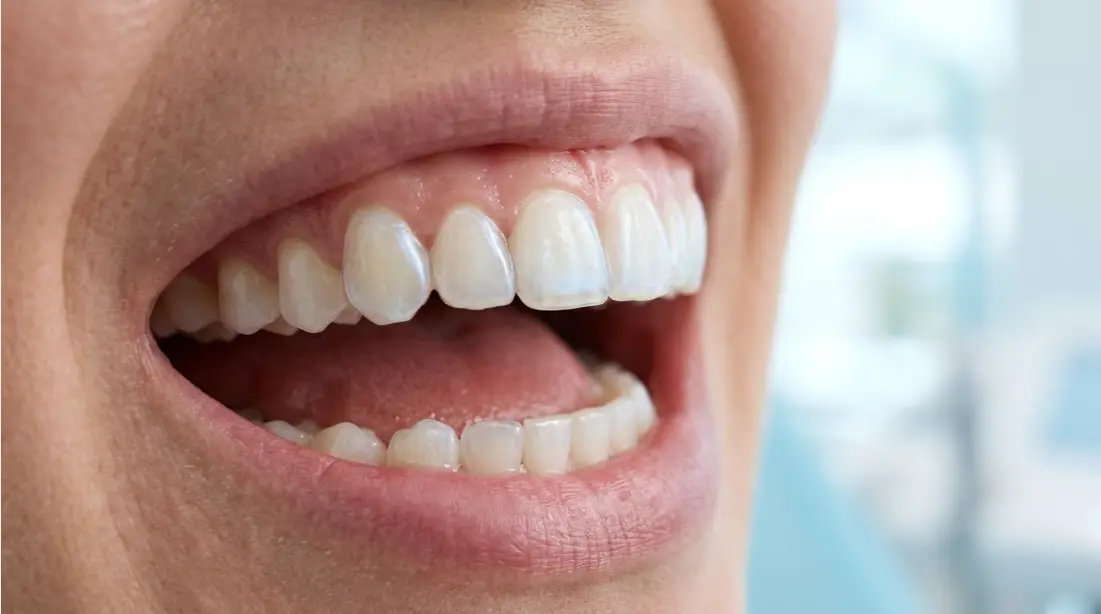
Dry mouth can make it harder for your teeth to stay protected because saliva plays an important role in maintaining your oral environment. When saliva production drops, teeth lose some of the natural protection they normally receive throughout the day. This can be especially important for people who already have a history of cavities, enamel wear, or tooth sensitivity.
What Does Saliva Normally Do for Your Teeth?
Saliva keeps the mouth moist and helps wash away food particles, acids, and other substances that can remain around the teeth. It also contains minerals that support the tooth surface and helps maintain an oral environment that supports healthy teeth and gums.
Saliva also helps balance acids in the mouth after eating and drinking. This matters because frequent exposure to acids can contribute to mineral loss from enamel. With normal saliva flow, the mouth has a natural way to help manage these changes throughout the day.
What Changes When You Have Less Saliva?
When there is less saliva, food particles and acids may remain in the mouth longer, while the natural supply of minerals is reduced. This can make teeth more vulnerable to mineral loss and cavities. People with persistent dry mouth may also notice increased tooth sensitivity, plaque buildup, or mouth irritation.
The risk can be higher when dry mouth is severe or lasts for a long time. That is why daily brushing, cleaning between the teeth, and choosing suitable oral-care products become even more important when saliva production is reduced.
What Should You Look for in a Toothpaste for Dry Mouth?
When choosing toothpaste for dry mouth, look beyond whether a product is labeled for “dry mouth.” The goal is to choose a formula that supports daily tooth protection while being comfortable to use when saliva production is low.
- Enamel and cavity protection: Look for ingredients that help protect the tooth surface and support cavity prevention. People with a higher risk of cavities may have different needs than someone with occasional dry mouth.
- Gentle ingredients: A dry mouth can sometimes make the tissues inside the mouth feel more sensitive or irritated. A toothpaste that feels comfortable during regular brushing may be easier to use consistently.
- SLS-free or low-foaming formulas: Some people with dry mouth prefer SLS-free or lower-foaming toothpaste because it may feel less irritating or drying during brushing. This is a personal consideration rather than a requirement for everyone.
- Tooth-surface support: Ingredients such as hydroxyapatite can be considered when choosing a toothpaste because they are designed to support the mineral structure of the tooth surface.
- Look beyond “natural” or “fluoride-free”: These labels alone do not tell you whether a toothpaste is the right choice for dry mouth. Consider the full ingredient list, your cavity risk, and your dentist’s recommendations instead.
How Does Hydroxyapatite Fit Into Dry Mouth Oral Care?
Hydroxyapatite is a calcium phosphate mineral similar to the mineral naturally found in tooth enamel. In toothpaste, it is used to support the tooth surface and provide minerals that can interact with enamel during brushing.
This may be useful in dry-mouth care because reduced saliva means teeth receive less of their natural protection. Hydroxyapatite can support the tooth surface as part of daily brushing, but it does not replace saliva or treat the cause of dry mouth.
Why Could Hydroxyapatite Be Relevant When Saliva Is Low?
When saliva production is reduced, teeth can be more exposed to acids and mineral loss. Hydroxyapatite may help support the tooth surface by interacting with enamel and providing a mineral similar to the one naturally found in teeth.
Research suggests hydroxyapatite toothpaste can support enamel and remineralization, but evidence specifically for people with dry mouth is still developing. It should therefore be considered one part of a broader dry-mouth care routine.
Can Hydroxyapatite Toothpaste Help Protect Teeth From Dry Mouth?
Hydroxyapatite toothpaste may help support teeth when dry mouth reduces the protection normally provided by saliva. Its role is to support the tooth surface and mineral balance, not to increase saliva production or treat the underlying cause of dry mouth.
Research on hydroxyapatite has shown potential for supporting enamel and reducing mineral loss. However, this does not mean it can prevent every cavity or protect everyone with dry mouth in the same way. Cavity risk depends on factors such as saliva flow, diet, oral hygiene, medications, and previous dental problems.
What Does the Research on Hydroxyapatite and Dry Mouth Show?
Research involving hydroxyapatite and dry-mouth conditions suggests that it may be useful for supporting the tooth surface when saliva protection is reduced. Some studies have also reported potential benefits for remineralization and protection against demineralization.
The evidence is promising, but research specifically focused on people with dry mouth is more limited than the broader evidence on hydroxyapatite and enamel. More research is needed to determine how different hydroxyapatite formulas perform for people with different levels and causes of dry mouth.
Hydroxyapatite vs. Fluoride Toothpaste for Dry Mouth
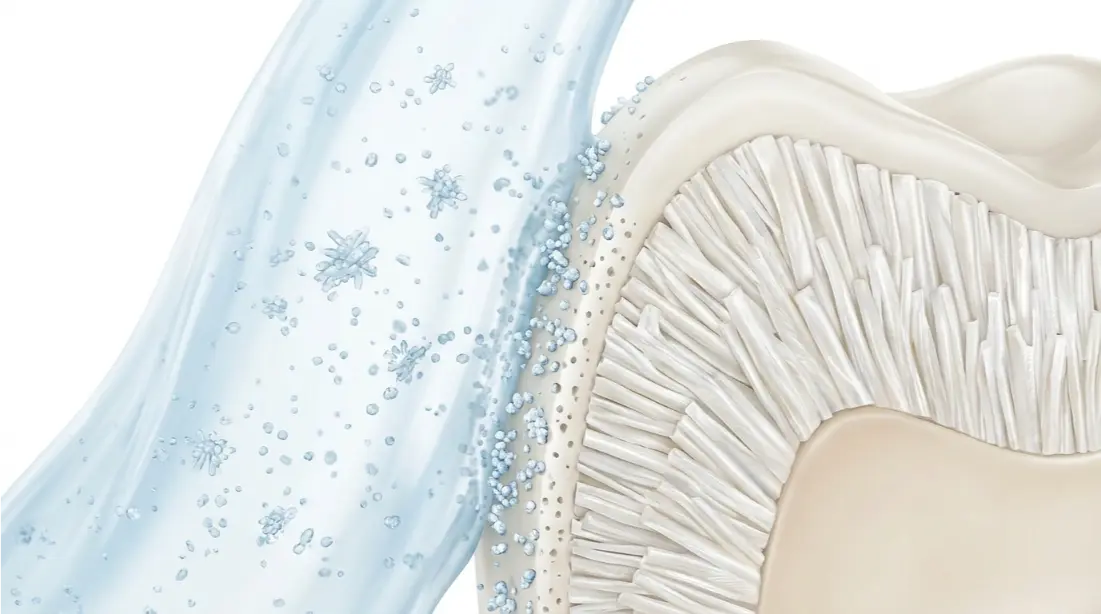
Both fluoride and hydroxyapatite can be used in toothpaste to support tooth protection, but they work in different ways. For people with dry mouth, the choice should take into account how much saliva they produce and their individual risk of cavities.
How Fluoride Helps With Cavity Risk
Fluoride has a well-established role in preventing cavities and helping teeth become more resistant to acid-related mineral loss. This can be especially relevant for people with persistent or severe dry mouth, since reduced saliva can increase cavity risk.
How Hydroxyapatite Differs
Hydroxyapatite takes a mineral-based approach by using a calcium phosphate material similar to the mineral found in teeth. It can support the tooth surface and has been studied for remineralization and protection against mineral loss.
The evidence for fluoride and hydroxyapatite is not identical, so they should not automatically be treated as interchangeable options for every person.
Can You Use Hydroxyapatite Instead of Fluoride?
There is no single answer for everyone. A person with low cavity risk may choose hydroxyapatite toothpaste, while someone with frequent cavities or significant dry mouth may benefit from additional fluoride protection.
Your dental history, current cavity risk, medications, and severity of dry mouth can all affect the best choice. If you have persistent dry mouth or a high risk of cavities, ask your dentist which toothpaste is appropriate for you.
How to Choose Hydroxyapatite Toothpaste for Dry Mouth
If you want to try hydroxyapatite toothpaste for dry mouth, look at the full formula rather than choosing a product based only on its marketing claims. Your toothpaste should fit both your oral-care needs and how comfortable it feels to use regularly.
Check the Hydroxyapatite Formula
Look for hydroxyapatite or nano-hydroxyapatite in the ingredient list. Product labels can use different terms, so checking the actual ingredients can help you understand what the toothpaste contains rather than relying only on claims such as “enamel support” or “mineral care.”
Consider SLS and Foaming Ingredients
Some people with dry or irritated mouths may prefer SLS-free or low-foaming toothpaste because these formulas can feel gentler during brushing. However, SLS is not harmful or irritating for everyone, so this is a personal consideration rather than a requirement.
Consider Your Cavity Risk
Your dental history should also influence your choice. Frequent cavities, sensitivity, medication-related dry mouth, or significant reductions in saliva may mean you need additional protection. If you have ongoing dry mouth or a high cavity risk, your dentist can help determine which toothpaste and preventive measures are appropriate.
What Else Helps Protect Teeth When You Have Dry Mouth?
Toothpaste is only one part of protecting your teeth when you have dry mouth. Simple daily habits can help reduce the effects of low saliva and lower your risk of cavities and irritation.
- Drink water regularly: Frequent sips of water can help keep your mouth more comfortable and reduce dryness.
- Support saliva flow: Sugar-free gum or other saliva-stimulating options may help some people, depending on their situation.
- Limit sugary and acidic foods and drinks: Frequent exposure can increase the risk of mineral loss and cavities, especially when saliva flow is low.
- Brush twice a day: Consistent brushing helps remove plaque and supports the tooth surface.
- Clean between your teeth: Floss or use another suitable interdental cleaner to remove plaque from areas a toothbrush cannot reach.
- Keep regular dental visits: Dental checkups can help identify cavities, enamel changes, and other problems early.
Does Toothpaste Replace Dry Mouth Treatment?
No. Toothpaste can support daily oral hygiene, but it does not treat the underlying cause of xerostomia. Depending on what is causing the dry mouth, a dentist or healthcare professional may recommend saliva substitutes, products that stimulate saliva, medication changes, or other treatment options.
What Does Research Say About Hydroxyapatite Toothpaste?
A 2024 systematic review and meta-analysis published in the Journal of Dentistry by Malgorzata Pawinska and colleagues reviewed clinical and in-situ studies on hydroxyapatite-based oral-care products. The researchers found that the evidence supporting hydroxyapatite for reducing dental caries has expanded, including evidence from clinical trials and in-situ studies. However, this research focused on hydroxyapatite and caries prevention rather than dry mouth specifically, so it should not be interpreted as proof that hydroxyapatite toothpaste treats xerostomia.
When Should You See a Dentist About Dry Mouth?
Occasional dry mouth may not be a major concern, but persistent or worsening dryness should not be ignored. Low saliva can increase the risk of cavities, sensitivity, and other oral problems, so a dentist can help identify the cause and recommend appropriate care.
Consider making a dental appointment if you have:
- Dry mouth that persists: Ongoing dryness may have an underlying cause that needs attention.
- Repeated cavities: Frequent new cavities can be a sign that reduced saliva is affecting your teeth.
- New or worsening sensitivity: Increased sensitivity may occur when teeth have less protection.
- Mouth sores or irritation: Persistent soreness, burning, or irritation should be evaluated.
- Difficulty eating, swallowing, or speaking: Severe dryness can interfere with normal mouth function.
- Dry mouth after a medication change: Some medications can reduce saliva production, so mention any recent changes to your dentist or healthcare provider.
Is Hydroxyapatite Toothpaste a Good Choice for Dry Mouth?
Yes, hydroxyapatite toothpaste can be a good option for some people with dry mouth. It can support the tooth surface as part of a daily enamel-care routine, especially when reduced saliva leaves teeth more vulnerable to mineral loss.
However, hydroxyapatite toothpaste does not cure or reverse dry mouth. People with frequent cavities, severe xerostomia, or other oral-health concerns may need additional protection. If dry mouth is persistent, your dentist can help determine whether hydroxyapatite, fluoride, or another toothpaste is the better choice for your needs.
Consider Hydroxyapatite for Your Dry Mouth Oral-Care Routine
If you have dry mouth and want to support your teeth when saliva protection is reduced, hydroxyapatite toothpaste may be one option to consider. Enamel & Co. uses nano-hydroxyapatite in a dentist-formulated, fluoride-free and SLS-free formula designed to support healthy enamel. Explore Enamel & Co. Toothpaste to learn more about the formula and how it can fit into your daily oral-care routine.
Conclusion
Hydroxyapatite toothpaste can be a good option for some people with dry mouth because it can help support the tooth surface when reduced saliva leaves teeth more vulnerable to mineral loss. However, it does not treat dry mouth itself or replace the protection provided by saliva.
The best toothpaste depends on your cavity risk, dental history, and the severity and cause of your dry mouth. Enamel & Co. offers a dentist-formulated nano-hydroxyapatite toothpaste with a fluoride-free, SLS-free formula for people looking for a gentle enamel-supporting option. If you have persistent dry mouth or a higher risk of cavities, talk with your dentist before deciding which toothpaste is right for you.
Frequently Asked Questions
Can dry mouth cause more cavities?
Yes. Reduced saliva can leave teeth with less natural protection and make it easier for acids and plaque to affect the tooth surface. This can increase the risk of cavities, particularly when dry mouth is persistent or severe.
Is hydroxyapatite toothpaste safe for people with dry mouth?
Hydroxyapatite toothpaste can generally be used as part of daily oral care by people with dry mouth. However, your individual cavity risk and dental history should be considered when choosing a toothpaste.
Can hydroxyapatite toothpaste replace fluoride for dry mouth?
Not necessarily. Hydroxyapatite and fluoride have different mechanisms and evidence behind them. People with a high risk of cavities may benefit from fluoride or additional preventive care, so the best choice should be based on individual needs and dentist guidance.
Is SLS-free toothpaste better for dry mouth?
SLS-free toothpaste may be more comfortable for some people with dry or irritated mouths, particularly if they find foaming formulas uncomfortable. It is not a requirement for everyone with dry mouth.
Can toothpaste cure dry mouth?
No. Toothpaste can support oral hygiene and help protect teeth, but it does not treat the underlying cause of dry mouth. Persistent xerostomia may require other measures recommended by a dentist or healthcare professional.
What ingredients should I avoid in toothpaste if I have dry mouth?
There is no single list of ingredients that everyone with dry mouth needs to avoid. If your mouth is easily irritated, you may prefer a gentle, low-foaming formula and avoid products that cause discomfort. Your dentist can help identify ingredients or products that may be unsuitable for your specific situation.