
Teeth can become transparent when the enamel that covers them is naturally translucent or has become thinner over time. This is often most noticeable at the biting edges of the front teeth, where enamel is naturally thinner and there is less dentin underneath. Acidic foods and drinks, acid reflux, aggressive brushing, teeth grinding, dry mouth, and naturally thin enamel can all contribute to a more transparent appearance.
Slightly translucent teeth edges can be normal, but a noticeable or increasing change may be a sign that your teeth are experiencing wear. Enamel-Co is a dentist-owned oral-care brand focused on daily enamel care, with a fluoride-free toothpaste formulated with nano-hydroxyapatite and EnamelSync™ peptide technology. Understanding what is causing the transparency can help you take steps to protect your remaining enamel and prevent further changes.
Why Do Teeth Look Transparent?
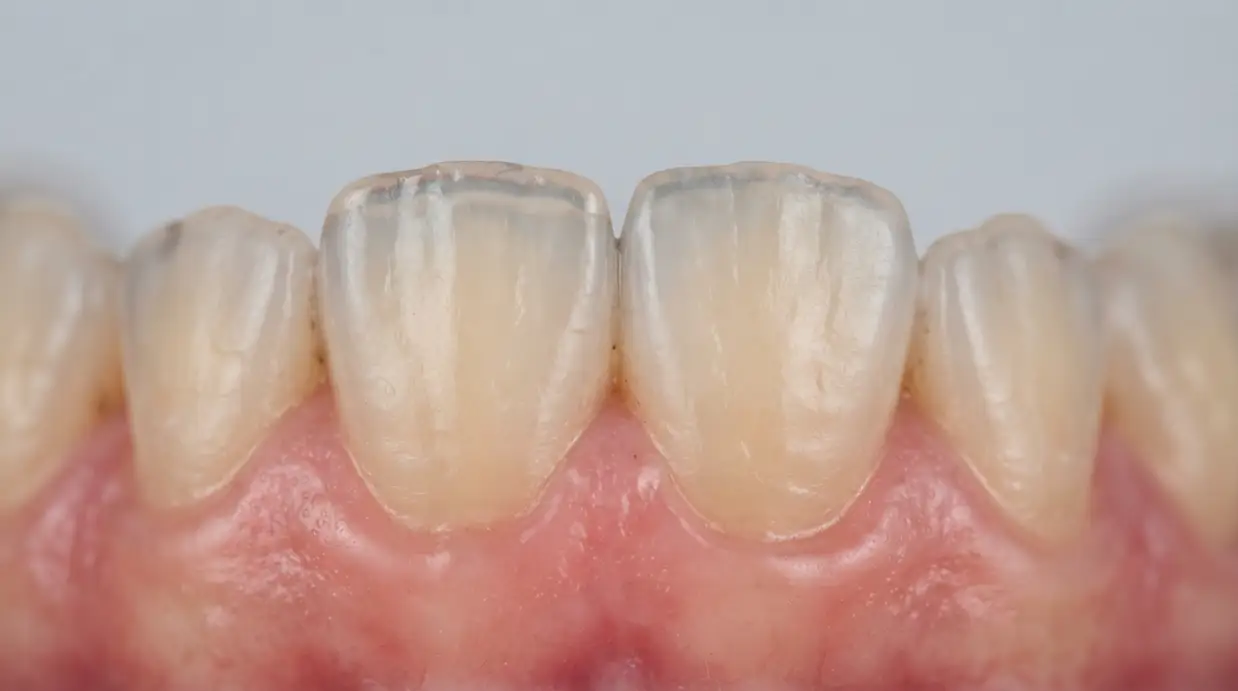
Teeth can look transparent because enamel is naturally translucent, which means some light can pass through it. Under healthy enamel is dentin, a naturally yellowish layer that helps give teeth much of their overall color. When light passes through the enamel and reaches the dentin, the tooth usually appears white or slightly yellow rather than completely opaque.
If the enamel becomes thinner, more light can pass through it. This can make parts of the tooth look clearer, glassy, grayish, or slightly bluish, especially where the enamel is already thin. However, transparency by itself does not always mean that the enamel is damaged. Some degree of translucency is a normal part of tooth structure.
Why Are the Tips of My Teeth More Transparent?
The biting edges of front teeth often look more transparent than the rest of the tooth because this area has relatively thin enamel and less dentin directly underneath it. With less of the underlying dentin showing through, light can pass through the edge more easily, giving it a naturally clear or slightly blue appearance.
For some people, this translucency is simply part of their normal tooth anatomy. It becomes more worth investigating when the transparency is new, becoming more noticeable, or appears along with sensitivity, chipping, or changes in the shape of the teeth. In those cases, a dentist can help determine whether enamel wear or another issue is contributing to the change.
Is It Normal for Teeth to Be Slightly Transparent?
Yes, some tooth translucency can be normal. Many healthy teeth have slightly transparent areas, particularly along the biting edges of the front teeth. If your teeth have always looked this way and there are no other changes, the appearance may simply reflect your natural tooth structure.
A change in transparency is more worth paying attention to when it becomes increasingly noticeable or occurs alongside other changes. Sensitivity, small chips, rough surfaces, or changes in tooth shape can sometimes occur with enamel wear. These signs do not identify the cause on their own, but they are good reasons to have your teeth checked by a dentist.
| What you notice | What it may mean |
| Slightly translucent tooth tips | May be a normal feature of your teeth |
| Transparency becoming more noticeable | May be associated with enamel thinning or tooth wear |
| Transparency with sensitivity | May occur alongside enamel or tooth wear |
| Transparency with chips or changes in shape | A dental evaluation can help identify the cause |
What Causes Teeth to Become Transparent?
Transparent-looking teeth can have several causes. Some people naturally have more translucent enamel, while others develop increased transparency as enamel becomes thinner from acid exposure or physical wear. Developmental differences in enamel can also affect how teeth look, and more than one factor may contribute to changes in transparency.
Acidic Foods and Drinks
Frequent exposure to acidic foods and drinks can contribute to enamel erosion, which is the chemical loss of tooth minerals caused by acids. Common sources include soda and other soft drinks, fruit juices, citrus foods and drinks, sports drinks, energy drinks, and acidic candies or snacks. The frequency and duration of exposure also matter, so regularly sipping an acidic drink over a long period can expose your teeth to acid more often than having the same drink once with a meal. As enamel loses mineral, it can become thinner and allow more light to pass through, making parts of the teeth look more transparent.
Acid Reflux and Stomach Acid
Stomach acid can contribute to enamel erosion when it repeatedly reaches the mouth through acid reflux or frequent vomiting. Unlike dietary acids, this is an internal source of acid exposure, and repeated contact can gradually affect the enamel and contribute to a more worn or transparent appearance. However, transparent teeth alone do not mean that you have acid reflux. If you regularly experience reflux or frequent vomiting along with changes in your teeth, discuss both concerns with a dental or healthcare professional.
Brushing Too Hard
Brushing with excessive pressure can contribute to physical wear of the tooth surface, particularly when enamel has already been exposed to acids. Hard-bristled toothbrushes and aggressive back-and-forth scrubbing can add unnecessary mechanical stress. This differs from acid erosion, which is caused by chemical exposure, but the two types of wear can occur together and may contribute to changes in how transparent the enamel looks.
Teeth Grinding and Clenching
Grinding or clenching creates repeated tooth-to-tooth contact that can gradually wear the enamel, especially around the biting surfaces and edges. Over time, this may make the edges look thinner or more transparent and can also change the shape of the teeth. Other signs may include flattened edges, small chips, jaw discomfort, or sensitivity. If you suspect that you grind or clench your teeth, a dentist can evaluate the pattern of wear and help identify the appropriate next steps.
Dry Mouth
Saliva helps protect teeth by helping clear acids and food from the mouth and buffering the acids that can affect enamel. When saliva production is reduced, teeth may have less natural protection against acid exposure, which can increase their vulnerability to enamel wear. Dry mouth can have many causes, including dehydration, certain medications, and some health conditions, so persistent dryness along with changes in your teeth is worth discussing with a dental or healthcare professional.
Naturally Thin or Underdeveloped Enamel
Not every case of transparent-looking teeth is caused by a current habit or lifestyle factor. Some people naturally have thinner or more translucent enamel, while developmental differences can affect how enamel forms. Conditions such as enamel hypoplasia can result in enamel that is thinner or less developed than usual, and genetic factors can also influence enamel characteristics. This is why slightly transparent tooth edges should not automatically be treated as evidence of damage.
What Research Says About Tooth Transparency
Research also shows that changes in the microscopic structure of a tooth can affect how light moves through its tissues. In a 2005 study published in Biomaterials, John H. Kinney and colleagues compared normal human root dentin with age-related transparent, or sclerotic, dentin. They used X-ray computed microtomography to measure mineral concentration and small-angle X-ray scattering to examine mineral crystallites. The researchers found that transparent dentin had a higher mineral concentration, largely because mineral had filled the dentinal tubules. This reduced light scattering from the tubules and helped explain why the dentin became more transparent with age.
How Can You Tell If Transparent Teeth Are Getting Worse?
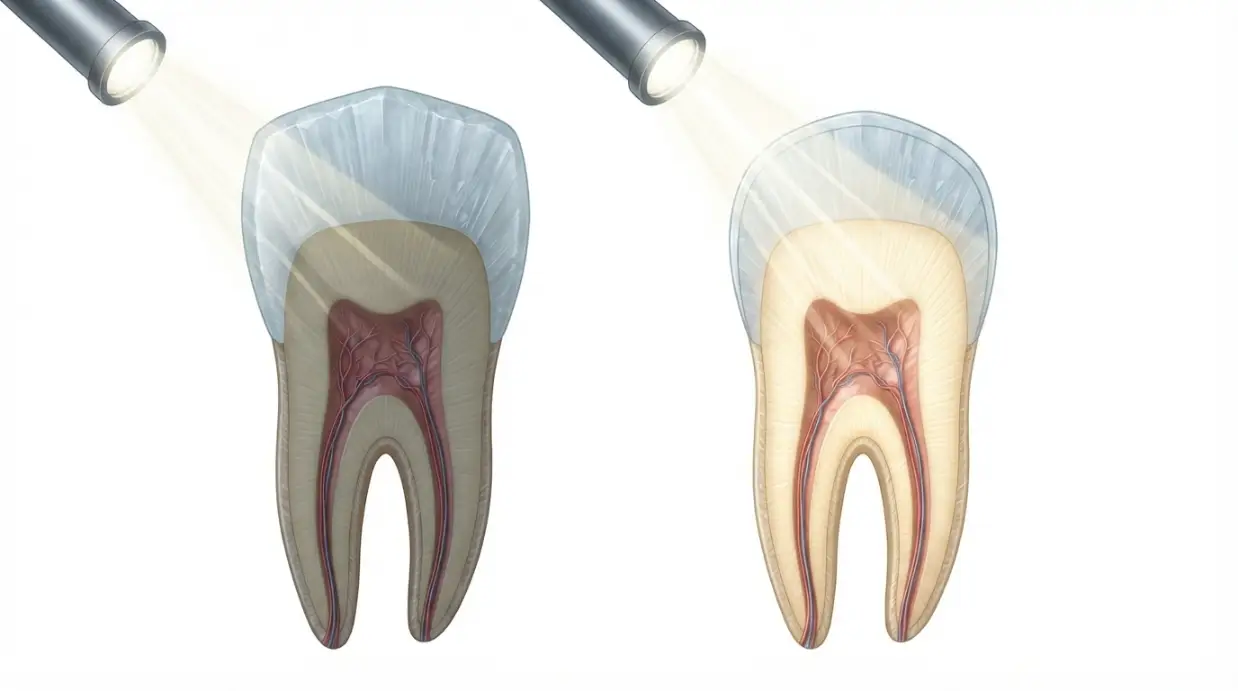
If your teeth are becoming more transparent over time, you may notice changes beyond the normal translucency at the tips. The edges may look increasingly clear, while sensitivity, small chips, or flattened and thinner-looking areas may become more noticeable. You may also see changes in tooth shape, rough or uneven surfaces, or a stronger yellow or gray appearance as the enamel becomes thinner and more of the underlying dentin shows through.
These signs can have different causes and do not confirm that enamel loss is occurring. For example, sensitivity, changes in tooth color, or altered tooth shape can be linked to several dental conditions. If you notice several of these changes, especially if they are new or becoming more noticeable, a dentist can examine your teeth and determine what may be causing them.
How to Prevent Teeth From Becoming More Transparent
Preventing further transparency starts with reducing the factors that can contribute to enamel wear. Good daily habits can help limit acid exposure, reduce physical wear, support saliva flow, and protect the enamel you still have. If an underlying issue such as persistent dry mouth, reflux, or teeth grinding is contributing to enamel changes, addressing that issue is also important.
Reduce Frequent Acid Exposure
Frequent exposure to acidic foods and drinks can increase the risk of enamel erosion over time. Try to limit how often you have acidic drinks and snacks, rather than continuously sipping them throughout the day. Avoid holding or swishing acidic drinks around your mouth, and when practical, have acidic foods and drinks as part of a meal instead of consuming them repeatedly between meals.
Rinse With Water After Acidic Foods and Drinks
Rinsing your mouth with water after acidic foods or drinks can help clear acids and food residue from your mouth. A simple rinse is an easy habit to add after drinking soda, juice, or other acidic beverages, especially when you are away from home and cannot brush right away. Drinking water regularly can also help maintain a healthier oral environment.
Brush Gently With a Soft-Bristled Toothbrush
Brushing regularly helps remove plaque, but aggressive brushing can place unnecessary physical stress on the tooth surface. Use a soft-bristled toothbrush and gentle pressure instead of scrubbing back and forth forcefully. Continue brushing twice a day as part of your normal oral-care routine, focusing on thorough but gentle cleaning rather than applying more pressure.
Support Healthy Saliva Flow
Saliva naturally helps protect teeth by clearing food and acids from the mouth and helping maintain the oral environment. Staying hydrated and drinking water regularly can support normal saliva production. Sugar-free gum may also help stimulate saliva flow when appropriate. If your mouth frequently feels dry or you have ongoing problems with dry mouth, talk with a dentist or medical professional about possible causes and treatment options.
Address Teeth Grinding and Clenching
Repeated grinding or clenching can place extra stress on the teeth and contribute to wear over time. Signs may include flattened tooth edges, small chips, jaw soreness, or noticing that you clench your teeth during the day or wake up with a tired or sore jaw. If grinding or clenching happens regularly, a dentist can examine the pattern of wear, look for contributing factors, and determine whether additional protection or treatment is appropriate.
Choose Daily Oral Care Products Carefully
Toothpaste is part of everyday enamel care because it helps clean the teeth while delivering ingredients designed to support oral health. Enamel & Co uses nano-hydroxyapatite and EnamelSync™ peptide technology in its fluoride-free toothpaste, making it an option for people looking for a fluoride-free approach to daily oral care. These ingredients can support the care of existing tooth structure, but toothpaste cannot replace enamel that has been physically lost. The goal is to protect and care for the enamel that remains while addressing habits or conditions that may contribute to further wear.
Can Transparent Teeth Be Prevented From Getting Worse?
Natural tooth translucency may remain even with healthy teeth, especially along the biting edges of the front teeth. If increasing transparency is related to ongoing enamel wear, addressing the cause can help reduce the risk of further changes. This may include limiting frequent acid exposure, brushing gently, managing teeth grinding, or addressing conditions such as persistent dry mouth or acid reflux.
Enamel that has been physically lost does not simply grow back, so protecting the remaining tooth structure is important. Daily oral care can help support the enamel you still have, while a dentist can identify and treat factors that may be contributing to continued wear. For more information about how enamel mineral loss and daily oral care relate to enamel health, see Enamel & Co’s guides on whether toothpaste can remineralize enamel and whether weak tooth enamel can become stronger.
When Should You See a Dentist About Transparent Teeth?
Slightly transparent tooth edges can be normal, but a dental evaluation is a good idea when the appearance is changing or other symptoms develop. Consider seeing a dentist if your teeth are becoming noticeably more transparent, you develop new sensitivity, your teeth start chipping, or their shape appears to be changing. Persistent pain or a sudden, unexplained change in how your teeth look also warrants an evaluation.
It is also worth discussing transparent-looking teeth with a dentist if you suspect that you grind or clench your teeth, or if you regularly experience acid reflux or frequent vomiting. These factors can contribute to tooth wear, but transparent teeth alone cannot identify the cause. A dentist can examine the teeth, look for patterns of wear, and determine whether further evaluation or treatment is needed.
Protect Your Enamel With Daily Oral Care
Transparent-looking teeth can have different causes, but protecting your remaining enamel starts with consistent daily oral care. Enamel & Co offers dentist-owned, fluoride-free toothpaste formulated with nano-hydroxyapatite and EnamelSync™ peptide technology for everyday enamel care. Buy Enamel-Co toothpaste online and make enamel care part of your daily routine.
Conclusion
Slightly transparent teeth, especially at the biting edges, can be a normal part of tooth structure. However, increasing transparency may be linked to enamel wear from frequent acid exposure, aggressive brushing, teeth grinding, dry mouth, or other factors. Paying attention to changes such as sensitivity, chips, rough surfaces, or changes in tooth shape can help you recognize when a dental evaluation may be needed.
You cannot replace enamel that has been physically lost, but you can protect the tooth structure that remains by practicing gentle daily oral care and addressing factors that may contribute to further wear. If the transparency is new, getting worse, or accompanied by other symptoms, a dentist can help identify the cause and recommend appropriate care.
Frequently Asked Questions
Can transparent teeth be caused by dry mouth?
Yes, persistent dry mouth can contribute to changes in tooth enamel. Saliva helps clear acids and protect the teeth, so reduced saliva flow can leave enamel more vulnerable to acid exposure and wear. If your mouth frequently feels dry and you are noticing changes in your teeth, discuss it with a dentist or healthcare professional.
Can acid reflux cause transparent teeth?
Repeated acid reflux can expose teeth to stomach acid, which may contribute to enamel erosion over time. This can make areas of the teeth appear thinner or more transparent. Transparent teeth alone do not mean you have acid reflux, but frequent reflux along with changes in your teeth is worth discussing with a healthcare professional and dentist.
Why do transparent teeth sometimes look gray or blue?
Thin or naturally translucent enamel can allow light to pass through the tooth differently, which may give the edges a grayish, bluish, or glass-like appearance. This is often most noticeable at the biting edges of front teeth because the enamel is naturally thinner in these areas. A new or changing color should be evaluated by a dentist rather than assumed to be normal translucency.
Do transparent teeth mean the enamel is getting thinner?
Not always. Some degree of transparency is a normal feature of healthy tooth enamel, particularly around the edges of front teeth. However, increasing transparency can occur when enamel becomes thinner from acid exposure, physical wear, or other factors. Changes such as sensitivity, chips, or altered tooth shape can provide additional reasons to have the teeth examined.
When should transparent teeth be checked by a dentist?
You should consider a dental evaluation if the transparency is becoming more noticeable, develops suddenly, or occurs with sensitivity, chips, pain, or changes in tooth shape. It is also worth getting checked if you suspect teeth grinding or regularly experience acid reflux or frequent vomiting. A dentist can examine the teeth and help determine what may be causing the change.